

What to Eat in Japan: 15 Dishes Worth the Trip
From a ¥500 beef bowl to a sushi counter you'll talk about for years.
By 1Una Travel and Tours · 10 min readAsk Filipinos what they miss most after a Japan trip and the answer is usually the food. Not just the famous dishes, but how good everything is: the egg sandwich from 7-Eleven, the ramen at a counter for eight people, the fruit at the market. Here's what to try, where to find it, and a few tips so ordering feels easy.
Ramen, udon and soba
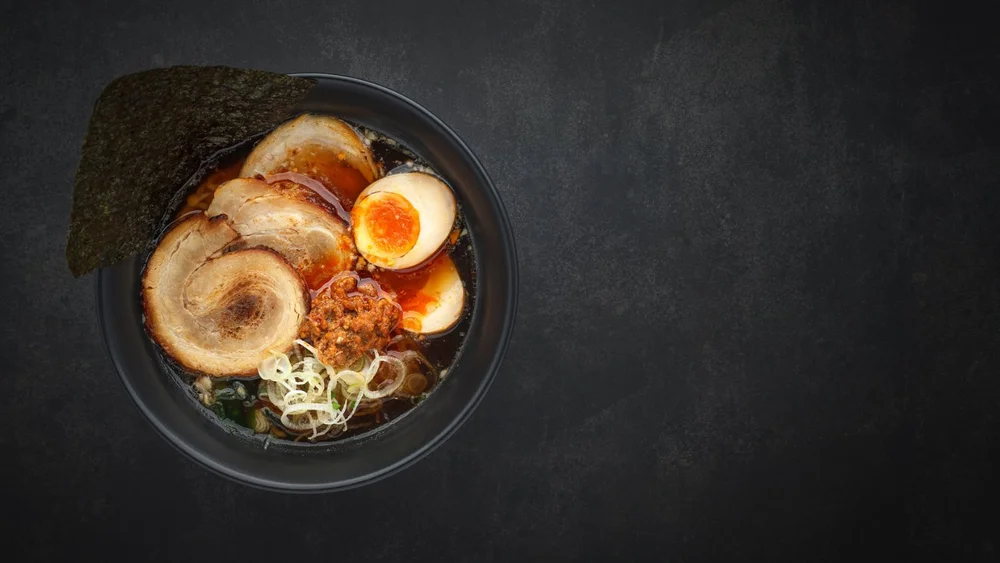
1. Ramen
Every region has its own style, and arguing about the best one is a national hobby. The main types:
- Shoyu (soy sauce): clear, savory broth, the classic Tokyo style.
- Miso: rich and slightly sweet, the pride of Sapporo, often topped with butter and corn.
- Tonkotsu: creamy pork-bone broth from Fukuoka, with thin noodles. Ask for kaedama (an extra serving of noodles) when you finish.
- Shio (salt): light and clear, often with seafood.
A bowl usually costs about ¥1,000 to ¥1,500. Many shops use a ticket machine at the door: pay, take your ticket, and hand it to the cook.
2. Udon and 3. Soba
Udon are thick, chewy wheat noodles, great in hot dashi broth or cold with dipping sauce. Soba are thin buckwheat noodles, often eaten cold on a bamboo mat in summer. Both are cheap, filling and found at train stations everywhere.
Sushi and seafood
4. Sushi
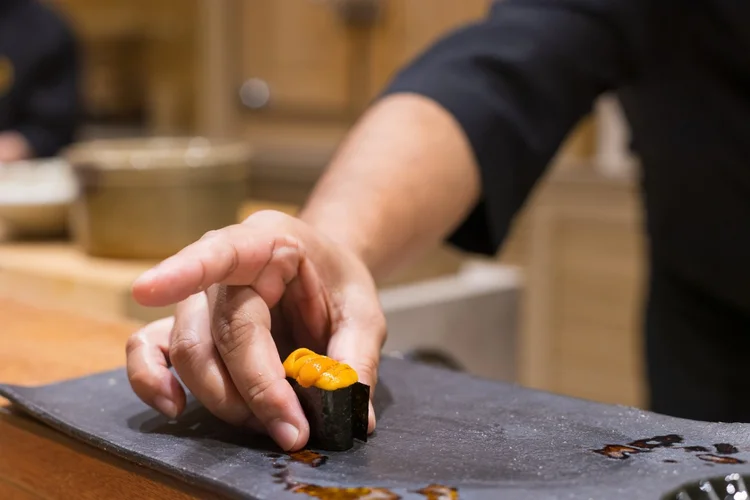
Sushi in Japan ranges from conveyor-belt shops, where plates start at around ¥100 to ¥200, to omakase counters where the chef serves piece after piece. Even cheap places are excellent because the fish is so fresh.
Don't miss: Try otoro (fatty tuna), uni (sea urchin), ikura (salmon roe) and tamago (sweet egg).
Good to know: Eat nigiri in one bite. Dip the fish side, not the rice, lightly in soy sauce. At a counter, the chef often adds wasabi already.
5. Kaisendon (seafood rice bowl)
A bowl of rice piled with raw seafood. It's the breakfast of choice at fish markets like Tsukiji Outer Market in Tokyo and Nijo Market in Sapporo.
Osaka street food
6. Takoyaki
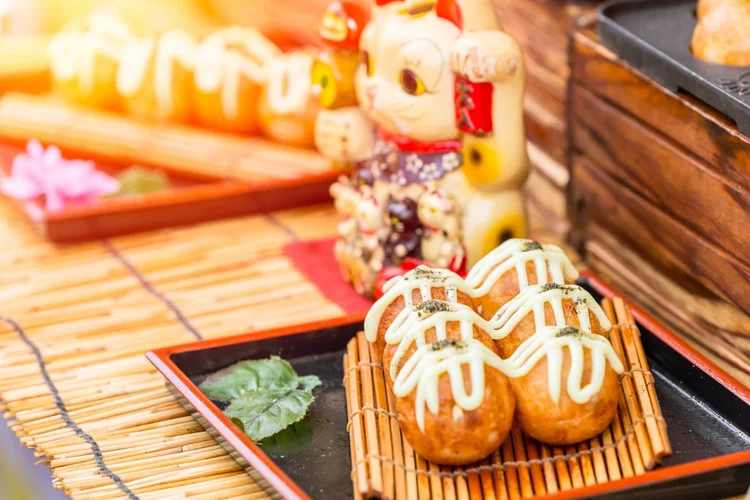
Crispy balls of batter with a piece of octopus inside, topped with sauce, mayonnaise, seaweed and dancing bonito flakes. Osaka's Dotonbori has a stall every few steps.
Don't miss: Let them cool. The inside stays molten hot for a while, and every first-timer burns their tongue.
7. Okonomiyaki
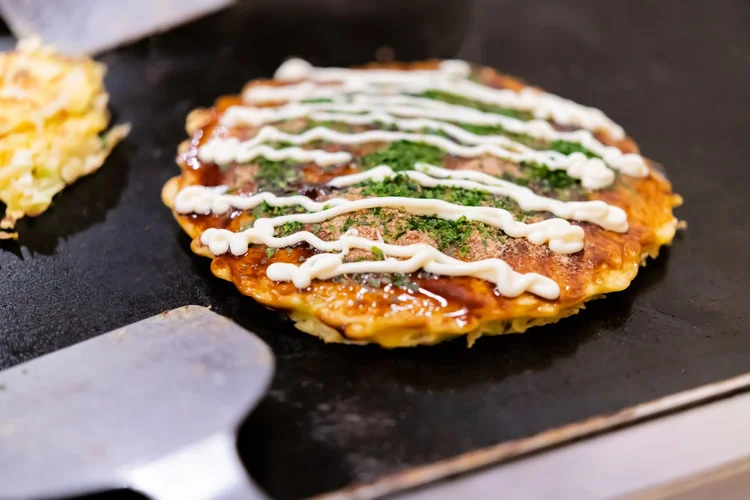
A savory cabbage pancake cooked on a hot griddle, often at your table. The name means 'grilled as you like it'. Osaka-style mixes everything into the batter; Hiroshima-style layers it with noodles.
Don't miss: Try both styles if you visit Osaka and Hiroshima, and decide which camp you're in.
Grilled, fried and meaty
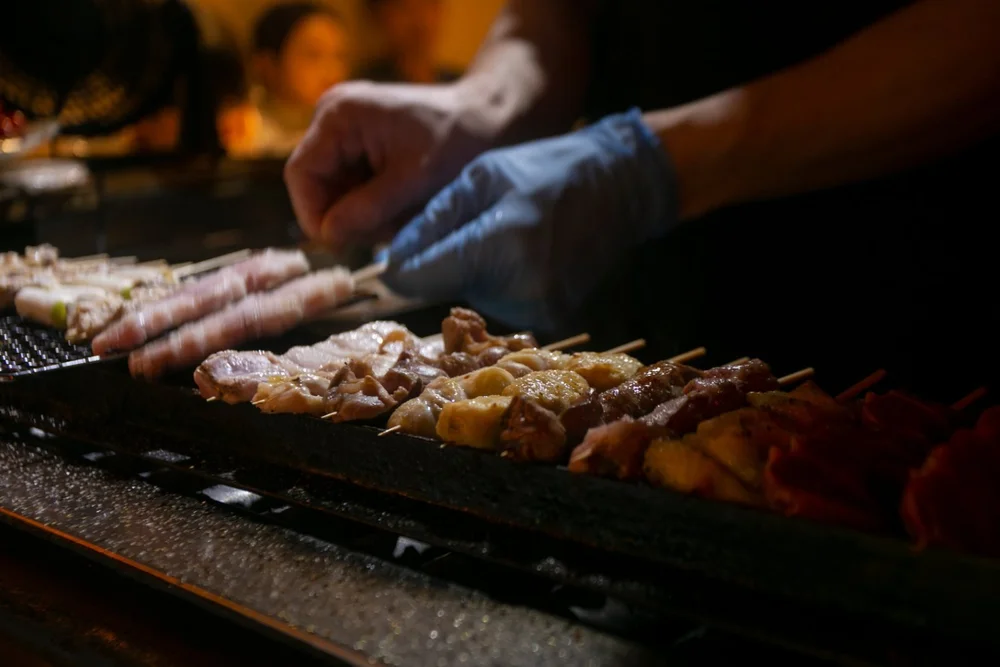
8. Yakitori and the izakaya
Chicken skewers grilled over charcoal, from thigh and scallion (negima) to meatballs (tsukune). You'll find them at an izakaya, a Japanese pub where friends share small plates with drinks. Many charge a small seating fee called otoshi, which comes with a little starter dish. It's normal, not a scam.
9. Wagyu
Japan's famous marbled beef melts like butter. A full Kobe steak dinner is a splurge, but you can taste wagyu for less as grilled skewers at markets, in a beef bowl, or at a yakiniku (Japanese barbecue) restaurant at lunchtime.
10. Tonkatsu and tempura
Tonkatsu is a thick pork cutlet, breaded and fried, served with shredded cabbage and a fruity sauce. Tempura is seafood and vegetables in a feather-light batter. Both make a satisfying lunch set for around ¥1,200 to ¥2,000.
Everyday comfort food
11. Gyudon and Japanese curry
For a quick, cheap meal, chains like Yoshinoya, Sukiya and Matsuya serve gyudon (beef and onion over rice) for around ¥500 to ¥800. Japanese curry, milder and sweeter than Indian curry, is a favorite of kids and very easy on the budget.
12. Konbini: the convenience store
Japan's 7-Eleven, Lawson and FamilyMart are a food destination of their own. Try the onigiri (rice balls wrapped in seaweed, with a clever pull-tab wrapper), the fluffy egg sandwich, FamilyMart's fried chicken, and seasonal desserts. They're open 24 hours, have clean restrooms in many branches, ATMs that accept foreign cards, and staff will heat your food for you.
Sweets and desserts
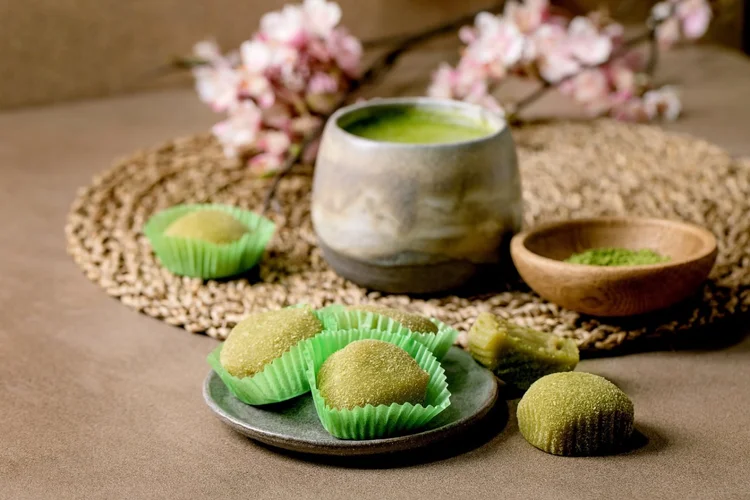
13. Matcha and wagashi
Kyoto's Uji area grows some of Japan's finest green tea. Try matcha soft-serve, matcha parfaits, and traditional sweets called wagashi, delicate rice-cake treats shaped like flowers that change with the seasons.
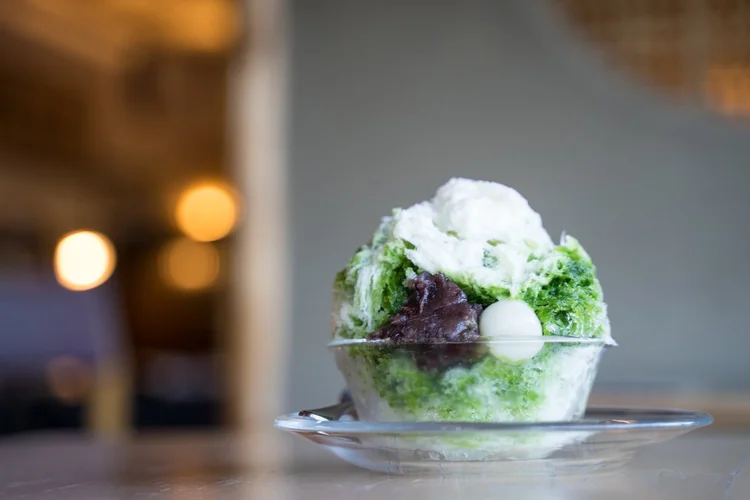
14. Kakigori
Japan's shaved ice is as fine as snow, poured with fruit syrups or condensed milk. In summer it's the perfect cool-down. Filipinos often say it's like a fancy halo-halo.
15. Regional specialties to look for
- Hokkaido: crab, sea urchin, Sapporo miso ramen, soup curry, and creamy soft-serve.
- Hiroshima: Hiroshima-style okonomiyaki and grilled oysters on Miyajima.
- Fukuoka: tonkotsu ramen and mentaiko (spicy cod roe) at riverside yatai stalls.
- Nagoya: miso katsu and hitsumabushi grilled eel over rice.
- Kobe: Kobe beef, of course.
How to eat like a local
- No tipping. Good service is included. Leaving money can confuse staff.
- Say "itadakimasu" before eating and "gochisousama deshita" after. Staff love it.
- Don't stick chopsticks upright in rice, and don't pass food chopstick to chopstick. Both are linked to funerals.
- Slurping noodles is fine. It cools them and shows you're enjoying it.
- Eat near the stall. Walking while eating is frowned upon in many areas, especially in Kyoto.
- Carry some cash. Most places take cards now, but small ramen shops and market stalls may be cash only.
- Muslim or vegetarian? Pork and fish stock are in many dishes. Look for halal-certified restaurants (easy to find in Tokyo, Osaka and Kyoto) or apps that list them, and learn the phrase butaniku nashi de onegaishimasu (no pork, please).
Hungry for Japan?
Our Japan tours leave free time for food streets like Dotonbori and Shinjuku, and we're happy to share our favorite stops. If you'd rather plan a food-focused trip, tell us what you love to eat.
Frequently asked questions
How much should I budget for food in Japan per day?
A comfortable budget is about ¥4,000 to ¥6,000 per person per day: a konbini breakfast, a ramen or set lunch, and a sit-down dinner. You can spend less with beef bowls and konbini meals, or much more on sushi and wagyu.
Is Japanese food halal?
Not by default, since pork, pork stock and mirin (cooking rice wine) are common. Major cities have many halal-certified restaurants, and some hotels and tours can arrange halal meals with advance notice.
Is tap water safe to drink in Japan?
Yes, tap water is safe everywhere in Japan, and many restaurants serve free water or tea.
What is the one food I shouldn't miss?
If you only try one thing, make it ramen at a small counter shop. If you can try two, add sushi at a market in the morning.
More Japan guides
 Best places to visit in Japan
 Japan by season
 First-timer itinerary and tips
Sources: Japan National Tourism Organization food guides; restaurant chain menus (prices are typical ranges as of 2026). Fees, schedules and festival dates can change, so check official sites before you travel.