

Japan by Season: When to Go for Sakura, Autumn Leaves and Snow
A month-by-month guide to weather, festivals and crowds.
By 1Una Travel and Tours · 10 min readThere's no bad time to visit Japan, but each season gives you a completely different trip. Spring is pink, summer is festival season, autumn turns the mountains red and gold, and winter brings real snow just four to five hours by plane from Manila. Here's what to expect in each season, so you can choose the Japan you want to see.
Japan at a glance, month by month
| Month | Weather (Tokyo) | Highlights |
|---|---|---|
| January | Cold, dry, clear skies | New Year shrine visits, Mt Fuji views, winter illuminations |
| February | Coldest month | Sapporo Snow Festival, Shirakawa-go in snow, plum blossoms |
| March | Cool, warming up | Cherry blossoms start late in the month |
| April | Mild, pleasant | Cherry blossoms in early April; Golden Week crowds from late April |
| May | Warm, sunny | Fresh greenery, wisteria, big Tokyo festivals |
| June | Rainy season | Hydrangeas, fewer tourists; Hokkaido stays dry |
| July | Hot and humid | Gion Matsuri in Kyoto, Furano lavender, Mt Fuji climbing opens |
| August | Hottest month | Fireworks, Nebuta and Awa Odori festivals, Obon holiday |
| September | Hot, typhoon season | First autumn colors in Hokkaido's mountains |
| October | Comfortable | Autumn leaves in the north and mountains, Jidai Matsuri in Kyoto (Oct 22) |
| November | Cool and crisp | Peak autumn leaves in Tokyo and Kyoto, clear Fuji views |
| December | Cold, dry | Christmas lights, ski season begins, autumn leaves linger in early December |
Spring: cherry blossoms (March to May)
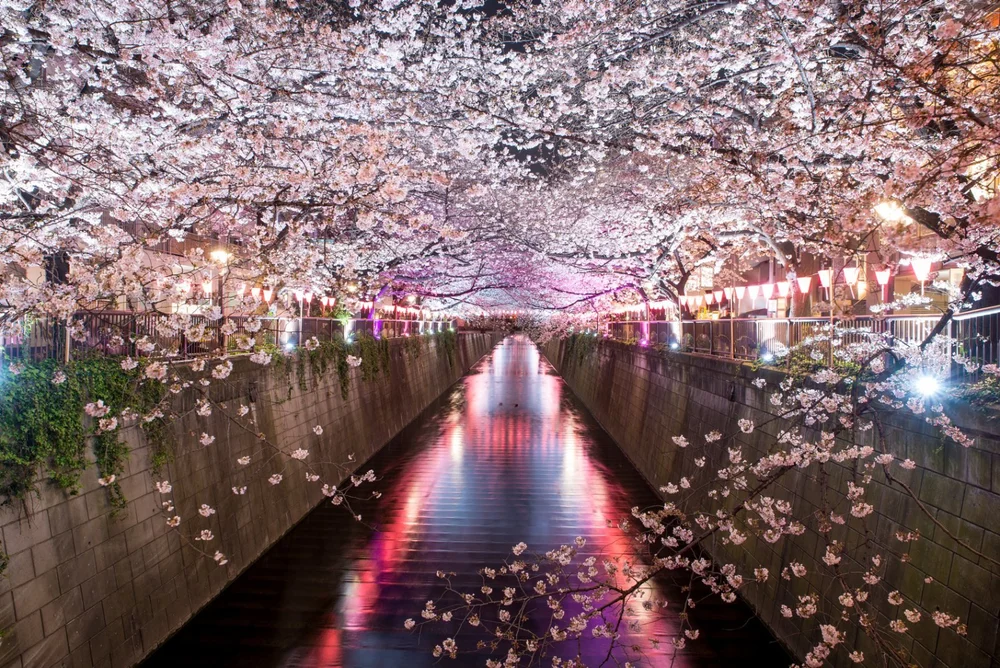
Sakura season is Japan's most famous moment. For about a week, parks fill with picnics called hanami, castles are framed in pink, and the blossoms are lit up at night.
When: blossoms move from south to north. In Tokyo, Kyoto and Osaka, they usually open in the last week of March and are at their best in late March to early April. In 2026, Tokyo reached full bloom on March 28. Hokkaido blooms around late April to early May. The official forecasts come out from January, and dates shift by a week or more each year.
Where to see them:
- Tokyo: Ueno Park, Shinjuku Gyoen, Chidorigafuchi moat, the Meguro River at night.
- Kyoto: the Philosopher's Path, Maruyama Park, the Arashiyama riverside.
- Osaka and beyond: Osaka Castle Park, Himeji Castle, Mt Yoshino near Nara.
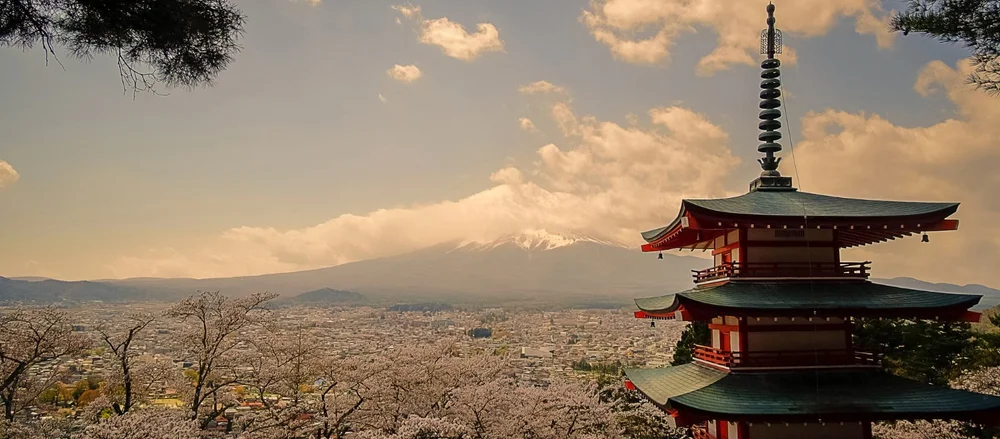
- Mt Fuji: Chureito Pagoda and Lake Kawaguchiko, usually a little later than Tokyo.
May brings fresh green leaves, wisteria tunnels and comfortable weather. It's also a big festival month in Tokyo: the Sanja Matsuri in Asakusa (mid-May) and the Kanda Matsuri, which holds its grand procession in odd-numbered years, including 2027.
Summer: festivals and fireworks (June to August)
June is the rainy season (tsuyu) across most of Japan, except Hokkaido. It rarely rains all day, hydrangeas bloom everywhere, and crowds are lighter.
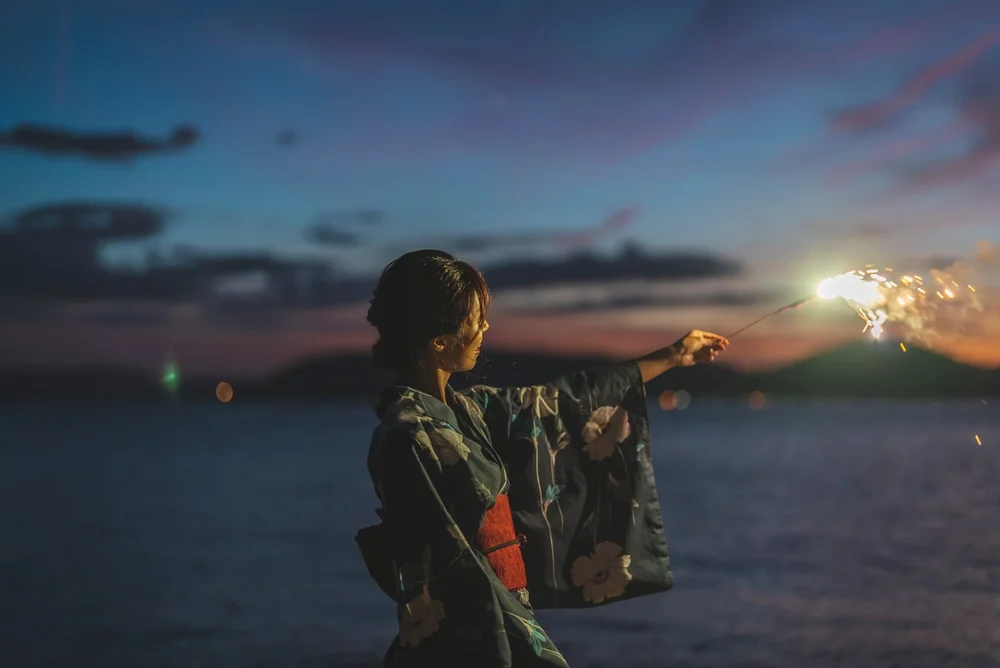
July and August are hot and humid, similar to Manila, but it's festival season. People wear light cotton yukata, eat at food stalls and watch fireworks over rivers. Big ones to plan around:
- Gion Matsuri, Kyoto: all of July, with giant floats paraded on July 17 and 24.
- Tenjin Matsuri, Osaka: July 24 and 25, with boat processions and fireworks.
- Nebuta Matsuri, Aomori: August 2 to 7, huge glowing paper floats.
- Awa Odori, Tokushima: August 12 to 15, Japan's biggest dance festival.
- Fireworks festivals: almost every weekend somewhere, including the Sumida River in Tokyo in late July.
Summer is the best time for Hokkaido (cool, sunny, lavender in July) and the only time to climb Mt Fuji (from early July to September 10, with a ¥4,000 fee and advance online booking; the main Yoshida Trail opens July 1).
Autumn: koyo leaves (September to November)
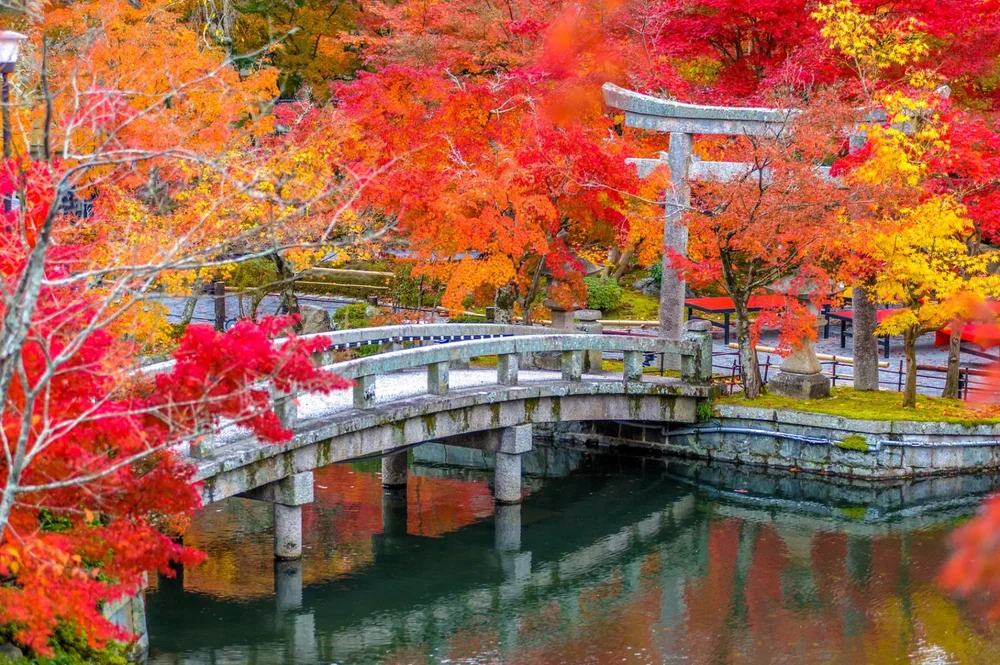
Many people who've seen both say autumn beats spring. Maples turn deep red, ginkgo trees go bright gold, and the weather is cool and clear. The season lasts longer than sakura, so it's easier to plan.
- Mid-September: the first colors appear in Hokkaido's Daisetsuzan mountains.
- October: Hokkaido's lowlands, Nikko and the Japanese Alps.
- Mid-November to early December: Tokyo and Kyoto. Kyoto's peak has drifted later in recent warm years, often the last week of November.
Best spots: Kyoto's Eikan-do, Tofuku-ji and Kiyomizu-dera (with evening light-ups), Tokyo's Meiji Jingu Gaien ginkgo avenue, Lake Kawaguchiko with Fuji, and Nikko's mountain lakes. Kyoto's Jidai Matsuri, a parade of costumes from different eras, is held on October 22.
Good to know: August and September are typhoon season. Storms can delay flights, so leave a little flexibility in your plans.
Winter: snow and lights (December to February)
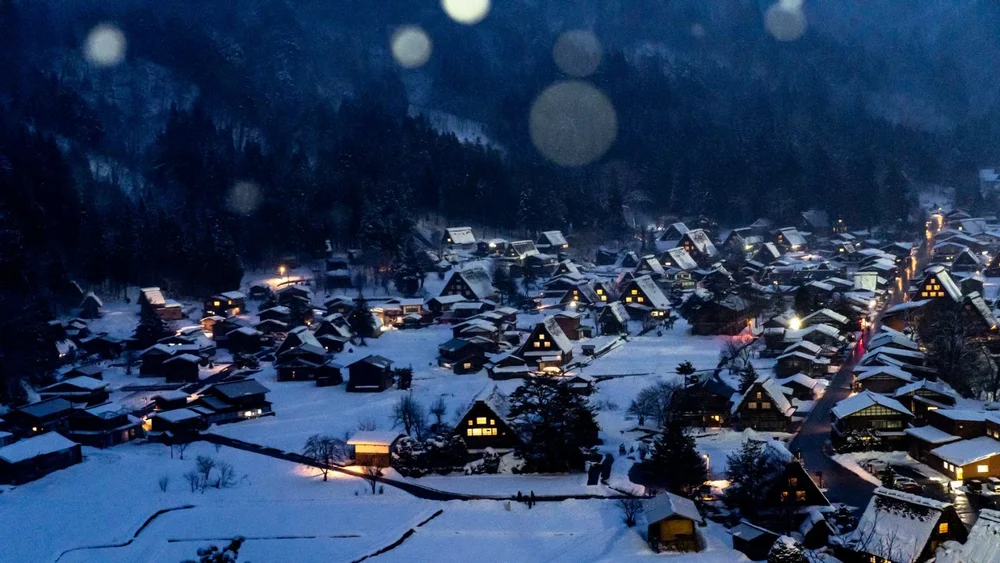
For many Filipinos, Japan is where they see snow for the first time. Tokyo and Osaka are cold and dry with blue skies but rarely snowy. For real snow, go north or into the mountains.
- Sapporo Snow Festival: giant snow and ice sculptures in Odori Park. The 2027 festival runs February 4 to 11.
- Shirakawa-go: the thatched village under deep snow, with special evening light-ups on selected dates in January and February (reservations needed).
- Snow monkeys: wild macaques soaking in hot springs at Jigokudani, Nagano.
- Skiing: Niseko and Furano in Hokkaido, Hakuba in Nagano, usually December to March.
- Illuminations: millions of lights in Tokyo, Kobe and at Nabana no Sato near Nagoya.
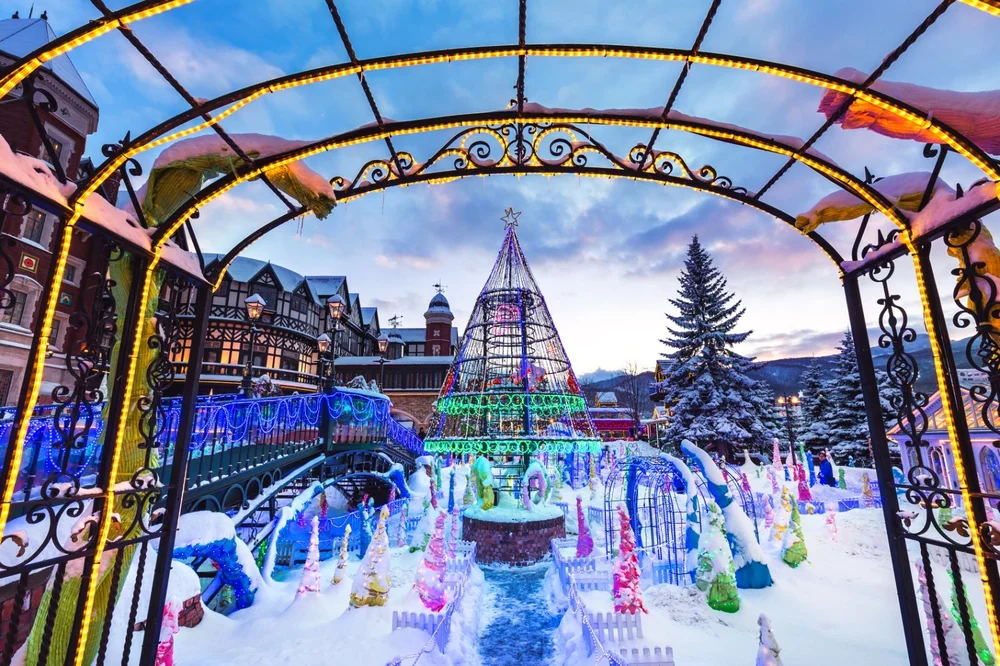
Winter is also when Mt Fuji is most often visible, and it's low season for most sights outside the holidays.
Japanese holidays to avoid (or book early)
- New Year (around December 29 to January 3): many shops, museums and restaurants close for a few days, and trains are packed.
- Golden Week (late April to early May): a cluster of national holidays when all of Japan travels. Prices jump.
- Obon (mid-August): another big travel week as families return to hometowns.
Matching Japan to Philippine holidays
| Philippine break | What Japan looks like |
|---|---|
| Holy Week (2027: March 21 to 28) | Right at the start of cherry blossom season in Tokyo and Kyoto. Beautiful, but very popular, so book early. |
| Summer break (April to May) | Late blossoms in early April, then green and pleasant. Avoid Golden Week if you can. |
| Undas (November 1) | Autumn colors in Nikko and the mountains; Tokyo and Kyoto are starting to turn. |
| Christmas and New Year | Winter lights and snow up north. Note that Japan's own New Year closures fall in this window. |
Planning around a season?
Cherry blossom and autumn trips sell out early, and timing matters. Tell us when you can travel and what you want to see, and we'll suggest the best dates and route.
Frequently asked questions
When is the best time to see cherry blossoms in Japan?
In Tokyo, Kyoto and Osaka, usually the last week of March to the first week of April. Hokkaido blooms around late April to early May. Exact dates change every year, so check the official forecasts released from January.
When do autumn leaves peak in Kyoto?
Usually mid-November to early December, often the last week of November in recent years.
Where can I see snow in Japan?
Hokkaido (Sapporo, Otaru, Niseko), the Japanese Alps (Shirakawa-go, Takayama, Hakuba) and the Tohoku region. Tokyo and Osaka rarely get snow.
Is summer a good time to visit Japan?
Yes, if you don't mind heat. It's festival and fireworks season, the best time for Hokkaido, and the only time to climb Mt Fuji. June is rainy in most areas.
More Japan guides
 Best places to visit in Japan
 What to eat in Japan
 First-timer itinerary and tips
Sources: Japan Meteorological Agency (Tokyo 2026 bloom dates as reported by Nippon.com); Sapporo Snow Festival 2027 announcement; Mt Fuji official climbing site; Japan National Tourism Organization festival calendar. Fees, schedules and festival dates can change, so check official sites before you travel.