

Japan for First-Timers: Sample Itineraries and Tips
Two easy routes, plus everything that confuses first-time visitors.
By 1Una Travel and Tours · 12 min readJapan has a reputation for being complicated, but it's one of the easiest countries to travel once you know a few basics. Trains run on time, the streets are safe, and major signs are in English. This guide gives you two sample routes, then explains the practical things: getting around, etiquette, money and the changes introduced in 2026.
Sample route: 5 days in Tokyo and Mt Fuji
Perfect for a long weekend plus a few days of leave, or for families who want Disney.
- Day 1, arrival: land at Haneda or Narita, check in, then an evening in Shinjuku. Free city views from the Tokyo Metropolitan Government Building and dinner in Omoide Yokocho.
- Day 2, old and new Tokyo: morning at Senso-ji in Asakusa, then Tokyo Skytree or a river cruise. Afternoon in Harajuku and Meiji Jingu, sunset at Shibuya.
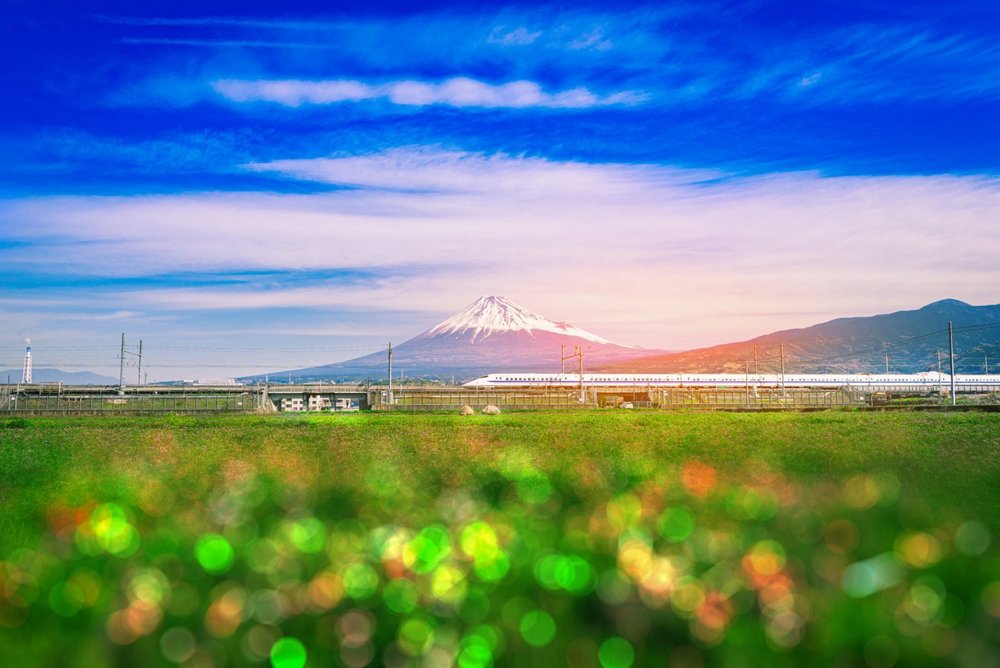
- Day 3, Mt Fuji day trip: Lake Kawaguchiko, Chureito Pagoda and Oshino Hakkai. Go early for the best chance of a clear view.
- Day 4, your choice: Tokyo Disneyland or DisneySea, or Tsukiji Outer Market, teamLab and Akihabara.
- Day 5, departure: last-minute shopping for snacks and souvenirs, then the airport.
Sample route: 7 days, Tokyo to Osaka
- Days 1 and 2, Tokyo: as in the route above.
- Day 3, Mt Fuji: a day at Lake Kawaguchiko, or Hakone with an overnight at a hot spring inn (ryokan).
- Day 4, bullet train to Kyoto: about 2 hours 15 minutes on the fastest Nozomi trains. Afternoon at Kiyomizu-dera and the old slopes, evening in Gion.
- Day 5, Kyoto: early start at Fushimi Inari, then Arashiyama's bamboo grove and Kinkaku-ji.
- Day 6, Nara and Osaka: morning with the deer and the Great Buddha in Nara, then on to Osaka for Dotonbori at night.
- Day 7, Osaka and departure: Osaka Castle or Universal Studios Japan, then fly home from Kansai Airport.
Getting around
IC cards: your all-in-one ticket
Get a rechargeable IC card like Suica or PASMO. Tap it on trains, subways and buses, and use it to pay at konbini and vending machines. Physical cards are back on sale at major stations. iPhone users can add a Suica to Apple Wallet, or use the Welcome Suica Mobile app made for visitors.
Bullet trains (shinkansen)
Fast, smooth and always on time. Buy tickets at station machines, ticket offices or online. Reserved seats are worth it in peak seasons.
Is the Japan Rail Pass worth it?
Prices went up again on October 1, 2026: the 7-day pass now costs ¥53,000 through overseas sales agents (the official JR Pass website may still offer the older ¥50,000 price for a limited time). It only pays off if you take several long train rides, for example Tokyo to Kyoto to Hiroshima and back. For a simple Tokyo to Osaka trip, individual tickets are usually cheaper. Regional passes (Kansai, Hokkaido, Tokyo area) are often the better deal.
Taxis and Google Maps
Taxis are clean and safe but pricey, so they're best for short hops or late nights. Google Maps works very well in Japan, including exact platforms and train times.
Etiquette that matters
- Queue everywhere: on train platforms, at escalators and at shops. On escalators, stand on the left in Tokyo and on the right in Osaka.
- Keep it quiet on trains: no phone calls, and keep conversations soft.
- Carry your trash: public bins are rare. Bring a small bag and throw trash away at your hotel or a konbini.
- Shoes off when you see a raised floor at homes, ryokan, some temples and restaurants. Wear socks without holes.
- Onsen (hot springs): wash fully before entering the bath, no swimwear, and towels stay out of the water. Some baths don't allow tattoos, so check first.
- No tipping, anywhere.
- Photos: ask before photographing people, and respect "no photo" signs at temples and private streets in Kyoto's Gion.
Money, shopping and the 2026 changes
- Cards and cash: credit cards and IC cards work almost everywhere in cities, but keep some cash for small restaurants, temples and rural areas. 7-Eleven and Japan Post ATMs accept most foreign cards.
- Tax-free shopping changed on November 1, 2026: you now pay the full price, including consumption tax (10%, or 8% on food and drinks), at the store. The tax is refunded after customs confirms your purchases when you leave Japan. The minimum is still ¥5,000 (before tax) per store per day, and you need your passport when you buy.
- Departure tax: Japan's international tourist tax rose to ¥3,000 per person on July 1, 2026. It's usually included in your airfare.
- Popular pasalubong: Tokyo Banana, Royce' chocolates, Kit Kat in local flavors, Shiroi Koibito cookies from Hokkaido, and matcha sweets from Kyoto. Airports stock most of them.
Staying connected
An eSIM is the easiest option if your phone supports it: buy it before you fly and activate it on landing. Pocket Wi-Fi works well for families sharing one connection. Free Wi-Fi exists at stations and konbini but can be patchy.
What to pack
- Comfortable walking shoes. Expect 15,000 to 25,000 steps a day.
- Layers. Trains and shops are heated in winter and cooled in summer.
- A small coin purse. You'll collect lots of ¥100 and ¥500 coins.
- A foldable bag for trash and shopping (plastic bags cost extra).
- Power: Japan uses flat two-pin plugs (type A) at 100 volts. Phone and laptop chargers work fine, but 220V-only Philippine appliances like hair dryers and curling irons won't work properly. Round-pin plugs need an adapter.
Before you fly
- Visa: Filipinos need a Japan tourist visa (it's free). Apply a few weeks ahead. Our Japan visa guide has the full checklist.
- Budget: see our Japan trip cost guide for what a trip from Manila usually costs.
- Visit Japan Web: optional, but registering online before you fly gives you a QR code that speeds up immigration and customs on arrival.
- Travel insurance: medical care in Japan is excellent but expensive for visitors.
Rather have it all arranged?
If planning trains, hotels and visa papers sounds like a lot, we can take it off your hands, from a full group tour to a private itinerary built around your dates.
Frequently asked questions
Is Japan easy for first-time travelers?
Yes. It's very safe, public transport is reliable, and major signs are in English. The biggest adjustment is etiquette, like queueing and carrying your trash.
Do I need cash in Japan?
Less than before, but keep some yen for small restaurants, shrines and rural areas. ATMs at 7-Eleven and post offices accept most foreign cards.
How does tax-free shopping work now?
Since November 1, 2026, you pay the full price including tax at the store, and the tax is refunded after customs confirms your purchases at departure. Spend at least ¥5,000 (before tax) per store per day and show your passport.
Should I buy a Japan Rail Pass?
Only if you plan several long-distance train rides. For a simple Tokyo to Osaka trip, separate tickets or a regional pass are usually cheaper, especially after the October 1, 2026 price increase.
More Japan guides
 Best places to visit in Japan
 What to eat in Japan
 Japan by season
Sources: Japan Rail Pass official announcements (prices from October 1, 2026); National Tax Agency and Japan Tourism Agency (tax-free refund system from November 1, 2026); Japan's International Tourist Tax (¥3,000 from July 1, 2026); JR East (Suica sales); Digital Agency (Visit Japan Web). Fees, schedules and festival dates can change, so check official sites before you travel.