

Best Places to Visit in Japan: Where to Go and Why
Cities, temples, mountains and small towns, explained for first-time visitors from the Philippines.
By 1Una Travel and Tours · 11 min readJapan is only a little bigger than the Philippines, but it packs in mega-cities, 1,000-year-old temples, snow mountains and fishing villages, all linked by some of the best trains in the world. The hard part isn't finding things to see. It's choosing. This guide walks you through the places most worth your time, what makes each one special, and how they fit together on a first trip.
How Japan fits together
Most first trips stay on one line: Tokyo in the east, Kyoto and Osaka in the west, with Mt Fuji in between. The bullet train covers Tokyo to Kyoto in a little over two hours, so you can see both in one week. Three other areas reward a longer stay:
- Kanto (Tokyo and around): big-city energy, shopping, theme parks, Mt Fuji day trips.
- Kansai (Kyoto, Osaka, Nara): temples, old streets, street food, and Osaka, often called Japan's friendliest city.
- Hokkaido (the north): wide open nature, flower fields in summer, real snow in winter, the best seafood.
- Western Japan (Hiroshima, Miyajima, Himeji): history, castles and island shrines, an easy add-on from Osaka.
Tokyo: the city that never runs out of neighborhoods
Tokyo isn't one city center. It's dozens of neighborhoods, each with its own personality. You can watch monks chant at dawn in Asakusa, shop for anime figures in Akihabara, and end the night in a tiny bar in Shinjuku, all on the same train card.
Asakusa and Senso-ji
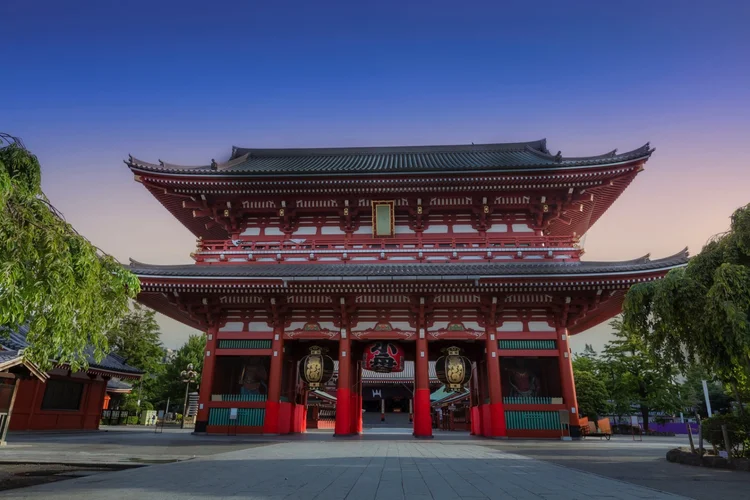
Walk through the giant red Kaminarimon gate and down Nakamise, a lane of snack stalls selling rice crackers and sweet melon bread, to reach Tokyo's oldest temple. Wash your hands at the fountain, waft the incense smoke over yourself for good health, and try your luck with an omikuji fortune slip.
Don't miss: Rent a kimono for a few hours. The temple looks best in early morning or after dark when it's lit up and quiet.
Shibuya, Harajuku and Shinjuku
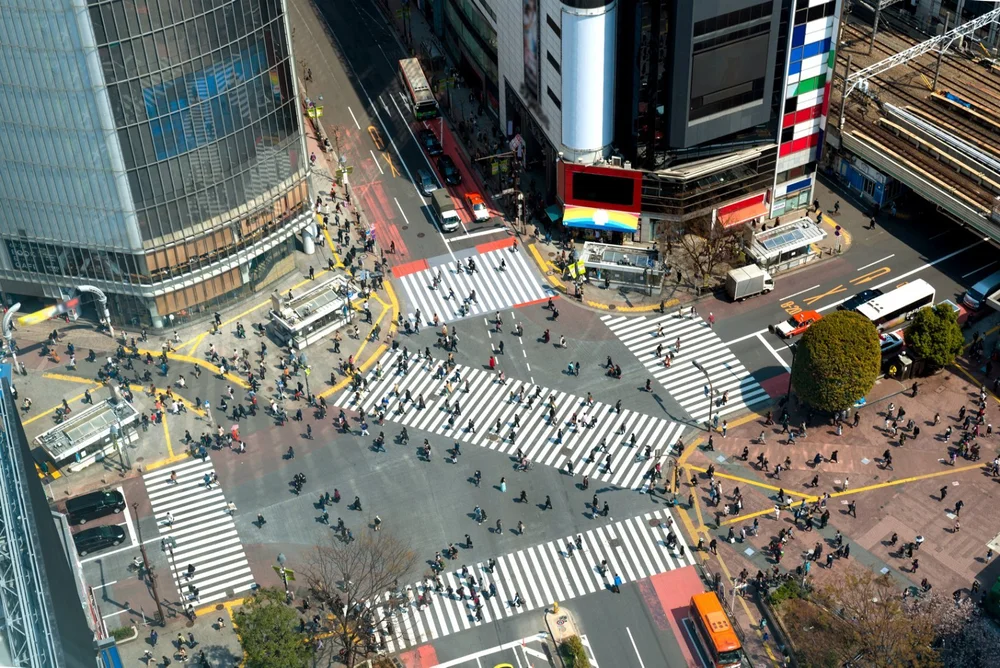
Shibuya is the famous scramble crossing and the Hachiko statue. Go up to a rooftop observation deck at sunset for the best city view. Next door, Harajuku mixes street fashion on Takeshita Street with the calm forest of Meiji Jingu shrine. Shinjuku is where Tokyo comes alive at night: neon streets, the narrow food alleys of Omoide Yokocho, and the free observation floors of the Tokyo Metropolitan Government Building.
More Tokyo favorites
- Tsukiji Outer Market for fresh sushi, grilled scallops and tamagoyaki for breakfast.
- teamLab digital art museums (Planets and Borderless), where you walk through rooms of light and water.
- Akihabara for electronics, retro games and anime shops.
- Tokyo Disneyland and DisneySea, a full day each and a favorite of Filipino families.
Mt Fuji and the Five Lakes
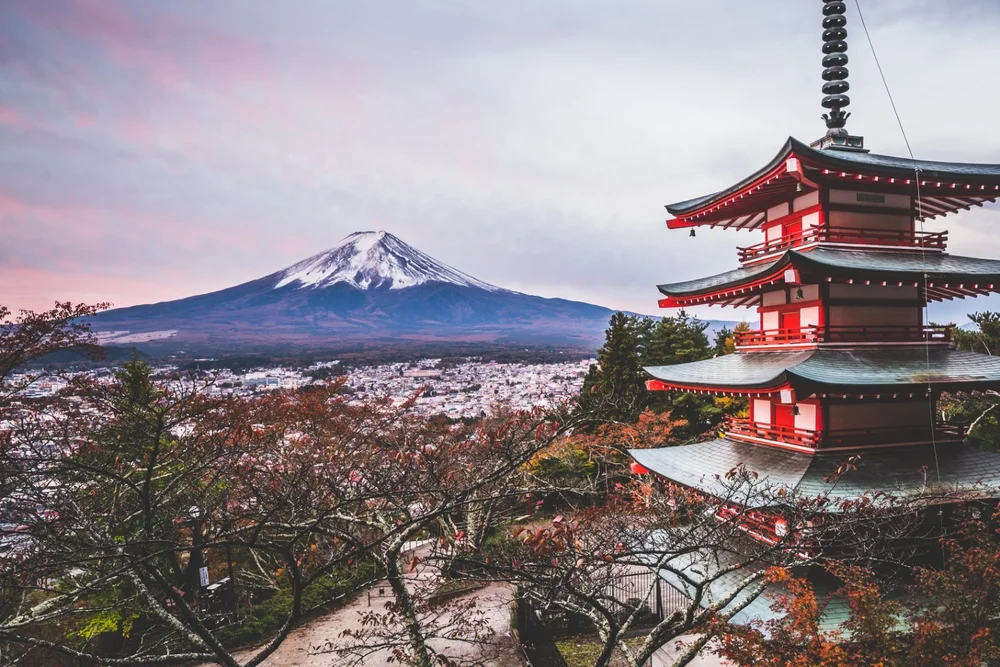
Japan's highest mountain (3,776 m) is about two hours from Tokyo, and on a clear day it looks almost unreal. Most visitors base themselves at Lake Kawaguchiko, the most developed of the Fuji Five Lakes, with lakeside walks, a ropeway and hot spring hotels facing the mountain.
- Chureito Pagoda: climb about 400 steps for the classic red pagoda and Fuji view.
- Oshino Hakkai: a small village of crystal-clear spring ponds fed by Fuji snowmelt.
- Hakone: the alternative base, with an open-air sculpture museum, a pirate-ship lake cruise and volcanic hot springs.
Fuji hides behind clouds often, especially in summer. Your best chance of a clear view is early morning between October and February. Climbing is only allowed in summer (from early July to September 10) and now needs a ¥4,000 fee and an online booking.
Kyoto: a thousand years of temples
Kyoto was Japan's capital for more than 1,000 years, and it has around 1,600 temples and 400 shrines. It's the place to see geisha districts, Zen gardens and wooden streets that look like a period film.
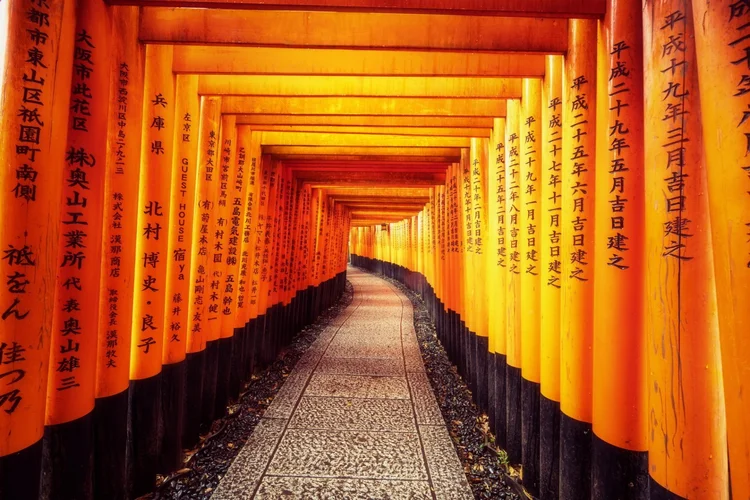
Fushimi Inari Taisha
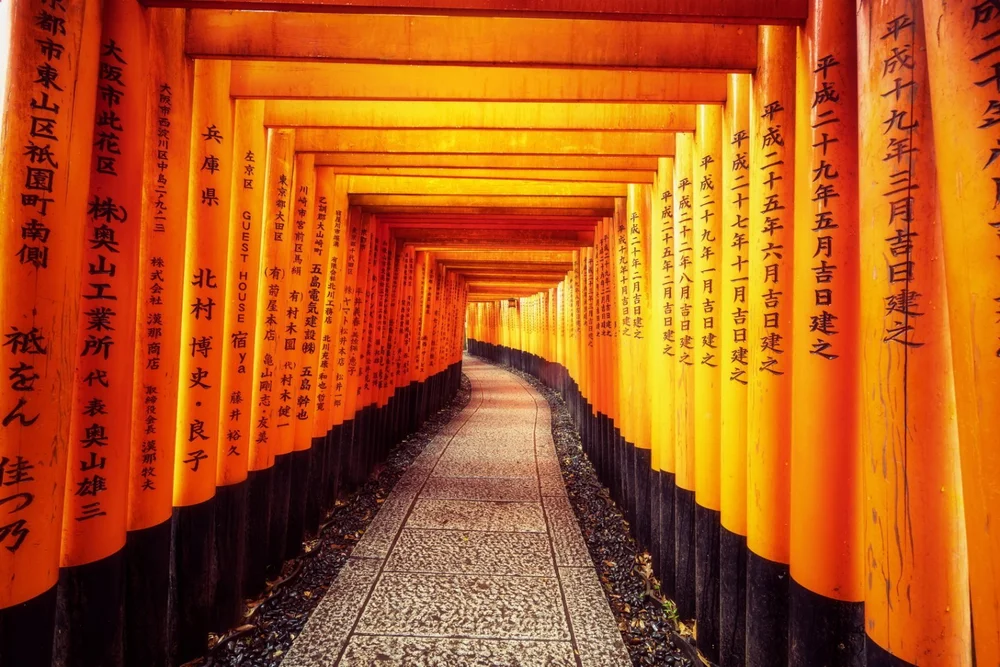
Thousands of bright orange torii gates climb a forested mountain. Each one was donated by a person or business. The full hike to the top takes two to three hours, but the most famous tunnel of gates is in the first 15 minutes.
Don't miss: It's free and open 24 hours. Arrive before 8 AM or after 5 PM for photos without crowds.
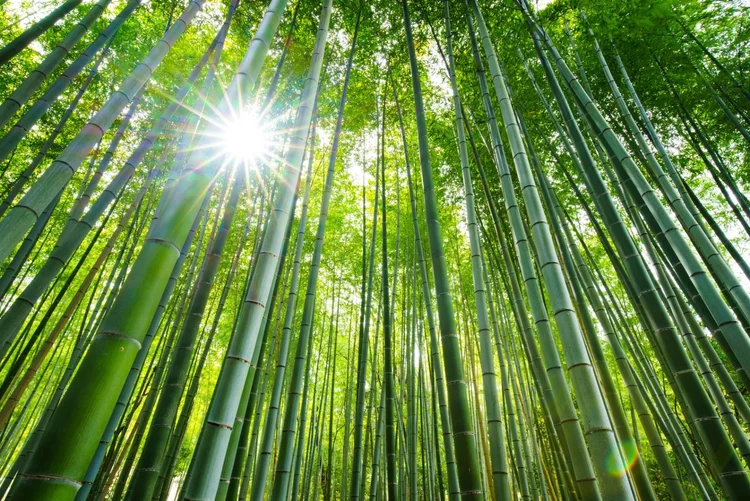
Arashiyama
On Kyoto's western edge, a path winds through towering bamboo that creaks in the wind. Nearby are the Tenryu-ji Zen garden, the Togetsukyo bridge and a hillside monkey park with views over the city.
Don't miss: Combine it with a ride on the Sagano Romantic Train along the river gorge (it runs from March to December).
Other Kyoto highlights
- Kiyomizu-dera: a wooden temple on stilts above the city, with the old slopes of Ninenzaka and Sannenzaka below.
- Kinkaku-ji: the Golden Pavilion, covered in gold leaf and reflected in a pond.
- Gion: the geisha district. Walk Hanamikoji Street in the early evening, and please don't follow or photograph geiko and maiko without permission. The private side alleys off Hanamikoji are closed to tourists, with a ¥10,000 fine posted.
- Nishiki Market: "Kyoto's kitchen", a covered street of pickles, tofu donuts and matcha sweets.
Nara: bowing deer and a giant Buddha
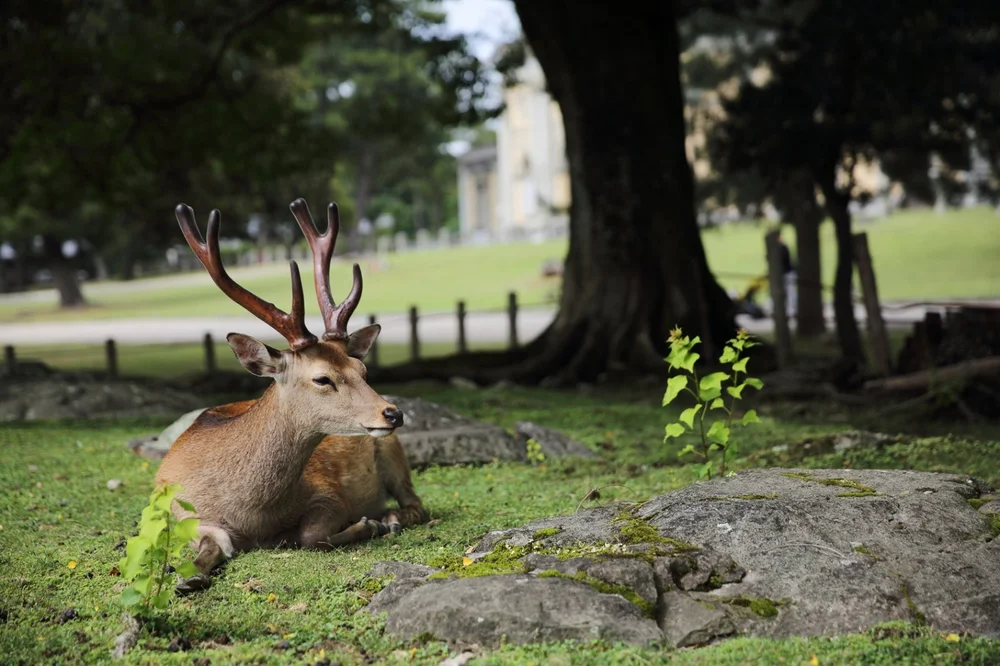
Nara was Japan's first permanent capital and is an easy half day from Kyoto or Osaka. The deer in Nara Park are considered sacred messengers. Buy a pack of shika senbei deer crackers (about ¥200), bow to a deer, and some will bow back.
The deer walk you to Todai-ji, one of the largest wooden buildings in the world, which houses a 15-meter bronze Buddha. Behind it, the lantern-lined paths of Kasuga Taisha shrine lead into ancient forest.
Good to know: the deer are wild. They can nip or headbutt when they see food, so hold the crackers out of reach until you're ready, and keep an eye on small kids.
Osaka: Japan's kitchen
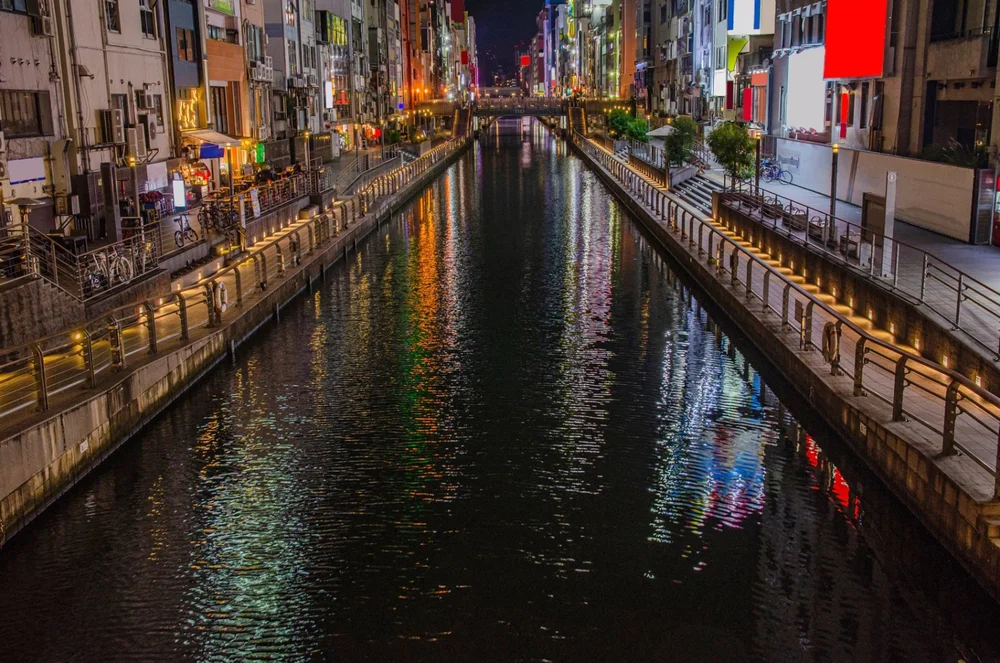
Osaka is louder, funnier and more casual than Tokyo. Locals have a saying, kuidaore, which means "eat until you drop", and the city lives up to it.
- Dotonbori: neon signs, the Glico running man, and stalls selling takoyaki and okonomiyaki along the canal.
- Osaka Castle: a white-and-gold castle surrounded by moats and a huge park, beautiful in cherry blossom season.
- Kuromon Market: grilled seafood, wagyu skewers and fresh fruit.
- Universal Studios Japan: home of Super Nintendo World and the Wizarding World of Harry Potter. Buy tickets in advance.
- Shinsekai: an old-school neighborhood under Tsutenkaku Tower, famous for deep-fried kushikatsu skewers.
Hiroshima, Miyajima and Himeji
Hiroshima and Miyajima
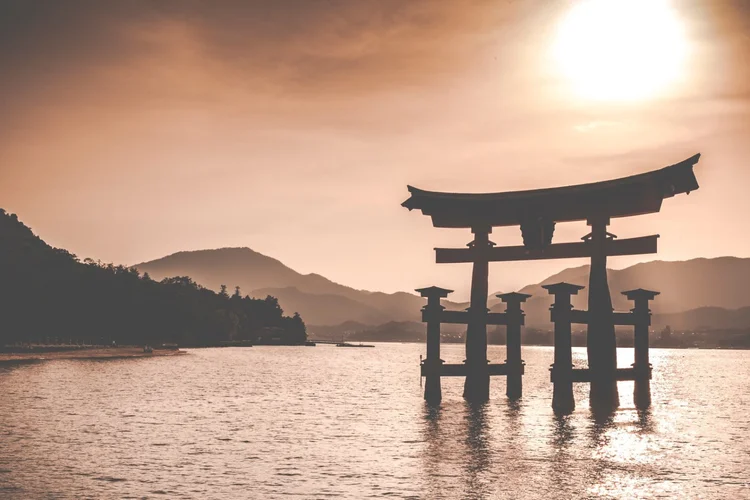
Hiroshima's Peace Memorial Park and museum tell the story of August 6, 1945, quietly and powerfully. A short train and ferry ride away, Miyajima island is home to Itsukushima Shrine and its great torii gate, which seems to float on the sea at high tide.
Don't miss: Check the tide table. At low tide you can walk out to the gate; at high tide it 'floats'. A ¥100 visitor tax is added to the ferry fare.
Himeji Castle
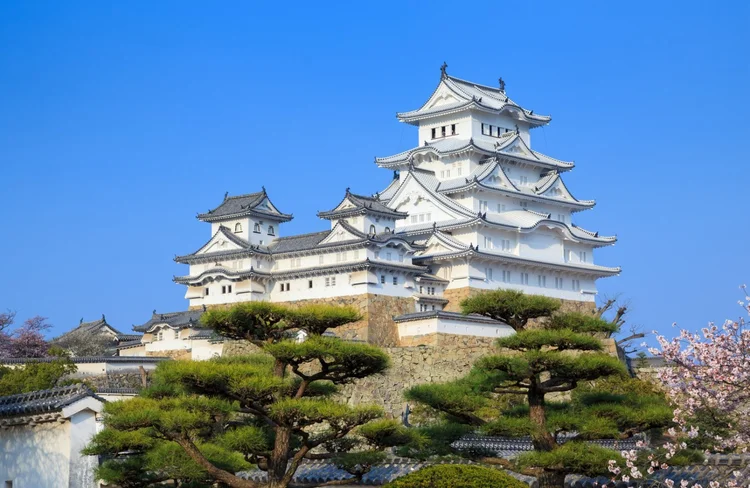
Called the White Heron Castle, Himeji is Japan's best-preserved original castle and a UNESCO World Heritage Site. Inside, steep wooden stairs take you up six floors of the main keep.
Don't miss: Since March 2026, adult admission for visitors who don't live in Himeji is ¥2,500. Under-18s enter free.
Hokkaido: Japan's great outdoors
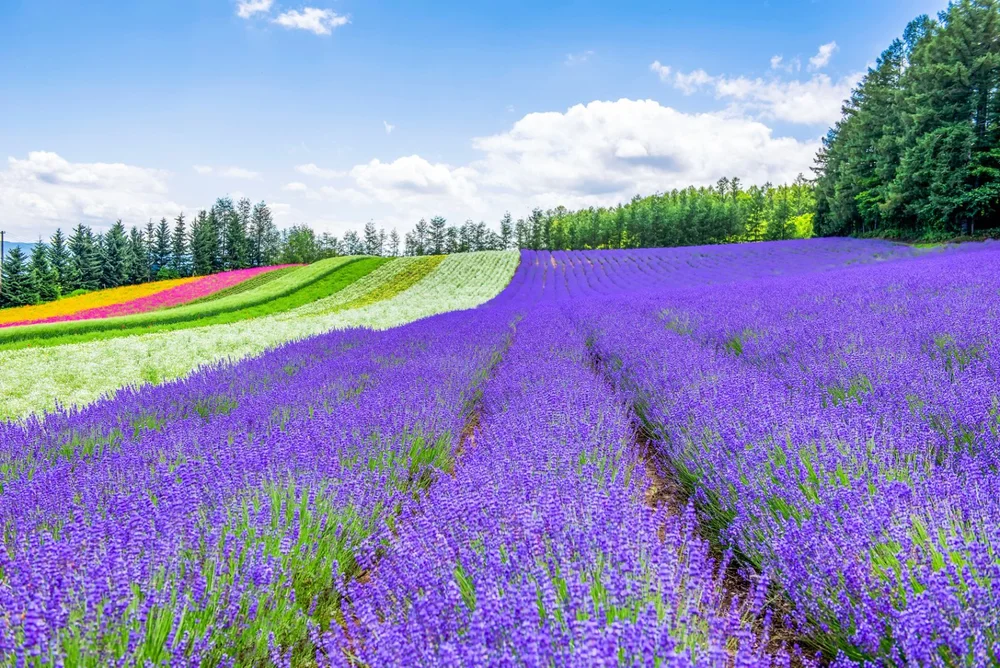
Japan's northern island feels like a different country: wide skies, dairy farms and cool summers. It's where Japanese people go for fresh seafood, ice cream and powder snow.
- Sapporo: the capital, with miso ramen, a beer museum and the Snow Festival every February.
- Otaru: a canal town of old warehouses, glass workshops and music-box shops, under an hour from Sapporo.
- Furano and Biei: rolling hills of lavender and flowers in July, and the famous Blue Pond.
- Niseko: world-famous powder snow for skiing and snowboarding from December to March.
Hidden gems for a second trip
Shirakawa-go and Takayama
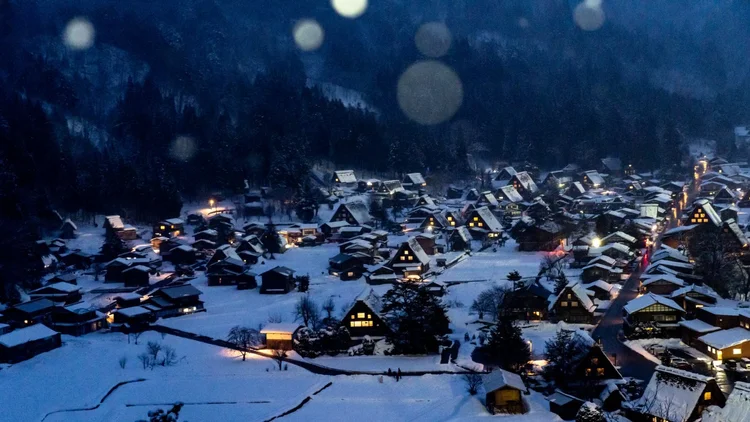
In the Japanese Alps, Shirakawa-go is a village of steep thatched farmhouses that look magical under snow. Nearby Takayama has a beautifully preserved old town, morning markets and sake breweries.
- Kanazawa: Kenroku-en, one of Japan's three great gardens, plus a samurai district and gold-leaf ice cream.
- Nikko: lavish shrines in the mountains north of Tokyo, with waterfalls and autumn colors in October.
- Fukuoka: a laid-back southern city known for tonkotsu ramen and open-air yatai food stalls.
Which area suits you?
| If you are... | Go to | Ideal time |
|---|---|---|
| A first-timer with one week | Tokyo, Mt Fuji, Kyoto, Osaka | 6 to 8 days |
| A family with kids | Tokyo (Disney) and Osaka (Universal Studios), plus Nara's deer | 5 to 7 days |
| A foodie | Osaka, Tokyo, Hokkaido | 5 days or more |
| Into history and culture | Kyoto, Nara, Hiroshima, Himeji | 5 to 7 days |
| Into nature and snow | Hokkaido, the Japanese Alps | 6 days or more |
Still deciding when to go? Our Japan by season guide explains cherry blossoms, autumn leaves and snow month by month.
Want to see Japan for yourself?
Japan rewards good planning: trains, hotels and visa paperwork all go smoother when someone has done it many times. If you'd like a hand, here's how 1Una can help.
Frequently asked questions
How many days do I need for Japan?
For a first trip, 6 to 8 days lets you see Tokyo, a Mt Fuji day trip, Kyoto and Osaka without rushing. With 5 days, focus on one region: Tokyo and Fuji, or Osaka, Kyoto and Nara.
Is Tokyo or Osaka better for a first trip?
Both are great. Tokyo has more variety and Disney; Osaka is cheaper, more relaxed and close to Kyoto and Nara. If you can, fly into one and out of the other.
Do Filipinos need a visa for Japan?
Yes, Philippine passport holders need a tourist visa, and it is free. See our Japan visa guide for the steps.
When is the best time to see Mt Fuji clearly?
Early mornings from October to February usually give the clearest views. Summer is often hazy and cloudy.
More Japan guides
 What to eat in Japan
 Japan by season
 First-timer itinerary and tips
Sources: Himeji Castle official site (admission from March 1, 2026); Mt Fuji official climbing site (Yamanashi); Hatsukaichi City (Miyajima visitor tax); Japan National Tourism Organization. Fees, schedules and festival dates can change, so check official sites before you travel.