

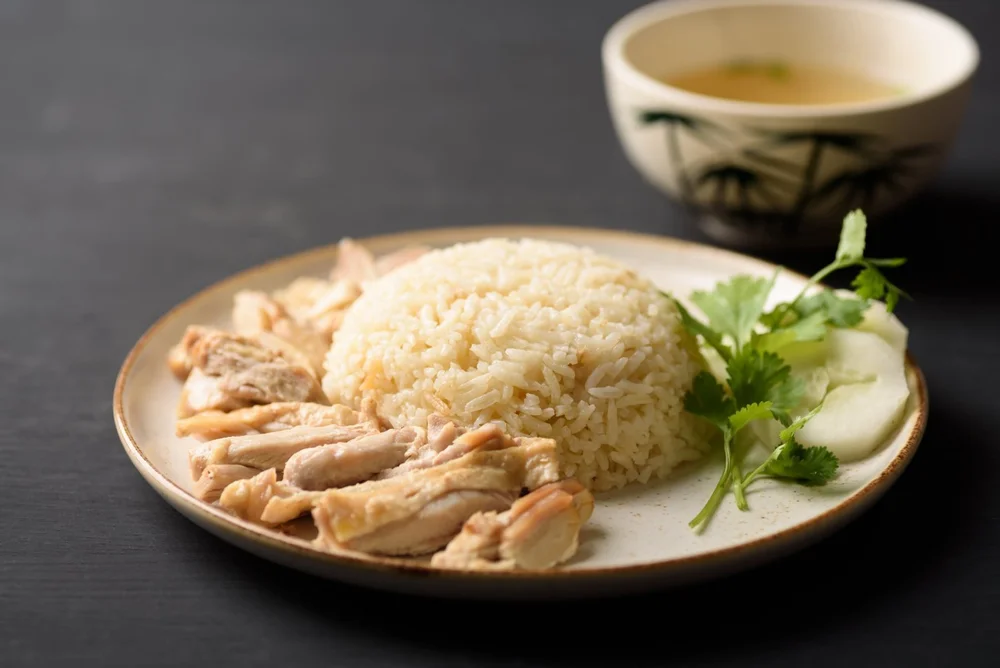
What to Eat in Singapore: A Hawker Food Guide
Where Chinese, Malay and Indian cooking share one table.
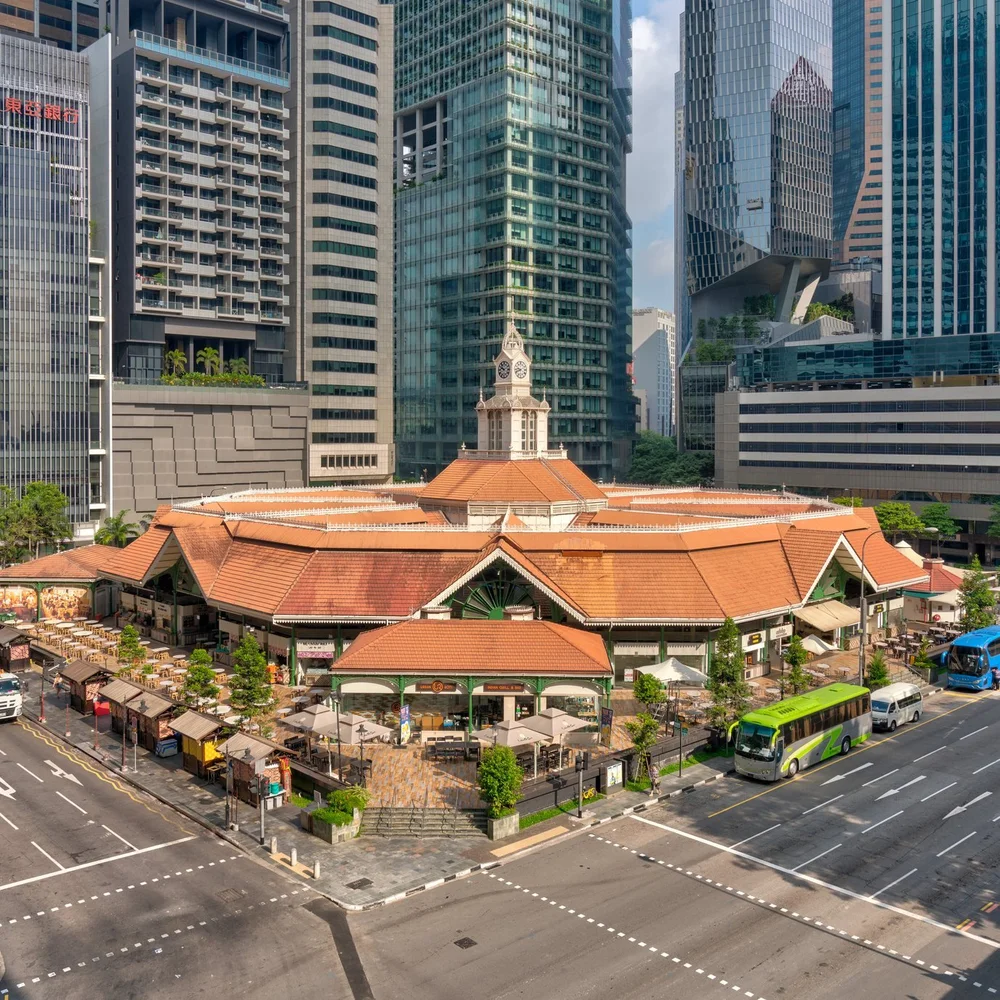
By 1Una Travel and Tours · 8 min readSingapore's hawker culture is so special that UNESCO lists it as Intangible Cultural Heritage. In open-air food centers, dozens of stalls each perfect one or two dishes, and a full meal can cost less than a cup of coffee at a hotel. Here's what to order.
The classics
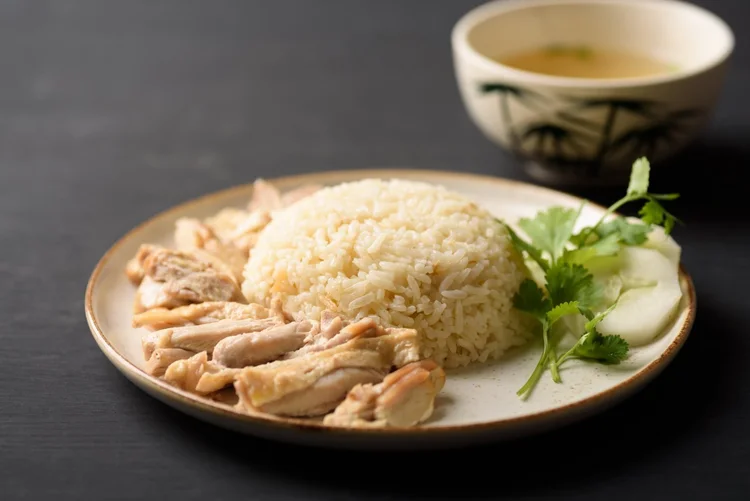
1. Hainanese chicken rice
Silky poached chicken, rice cooked in chicken stock, and a trio of chili, ginger and dark soy sauces. It's Singapore's unofficial national dish, and a few stalls have even earned Michelin recognition.
- 2. Satay: grilled skewers of chicken, beef or mutton with peanut sauce. At Lau Pa Sat, a street closes every evening to become "Satay Street".
- 3. Nasi lemak: coconut rice with sambal, fried anchovies, peanuts, egg and fried chicken.
- 4. Roti prata: crispy flatbread with curry dip, the Singaporean cousin of roti canai.
- 5. Bak kut teh: pork rib soup, peppery in the Singapore style.
Seafood
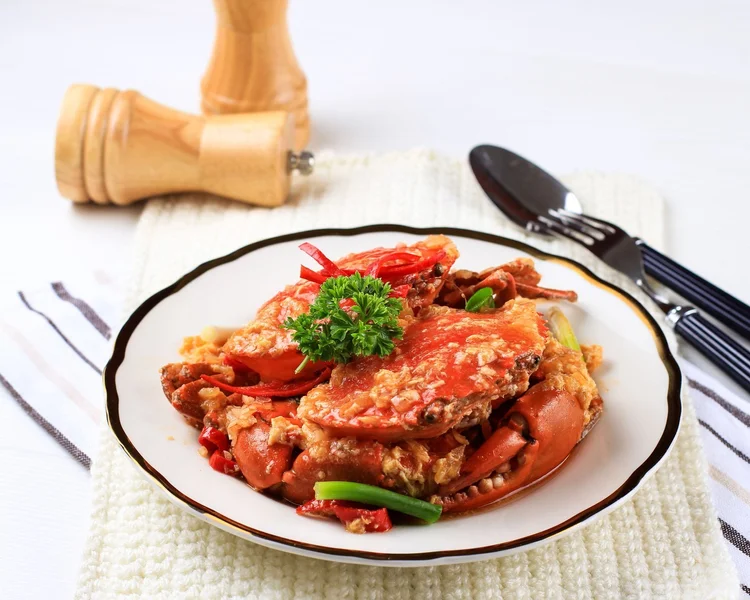
6. Chili crab and black pepper crab
Mud crab in a sweet, spicy tomato and egg sauce, eaten with fried mantou buns to mop it up. Black pepper crab is the fiery alternative. Seafood restaurants along the East Coast and at Clarke Quay are famous for both.
Don't miss: Crab is priced by weight. Ask the price before ordering.
- 7. Sambal stingray: grilled on a banana leaf with spicy sambal.
- 8. Oyster omelette (orh luak): crispy and chewy, with chili sauce.
Noodles
- 9. Laksa: rice noodles in a rich, spicy coconut curry broth with prawns and cockles.
- 10. Char kway teow: flat noodles stir-fried with dark soy, Chinese sausage and cockles.
- 11. Hokkien mee: noodles braised in prawn stock with a squeeze of lime.
- 12. Bak chor mee: minced pork noodles with a tangy vinegar sauce.
Breakfast and snacks
- 13. Kaya toast: toast with coconut jam and butter, soft-boiled eggs with soy sauce, and local coffee (kopi) or tea (teh).
- 14. Ice kachang: shaved ice with syrup, beans and jelly, similar to halo-halo.
- 15. Durian: the "king of fruits", strong-smelling and banned on the MRT.
How hawker centers work
- Find a seat first. Locals "chope" (reserve) seats with a tissue packet. Don't sit where one has been left.
- Order and pay at each stall. Many accept cards and e-wallets now, but carry small cash.
- Return your tray to the tray return points. It's expected, and you can be fined for not doing it.
- Prices: most hawker dishes cost about S$4 to S$8. Restaurants add a 10% service charge plus 9% GST, shown as "++" on menus.
- Halal food is easy to find. Look for the halal certificate displayed at the stall.
- Tap water is safe to drink.
Hungry for Singapore?
Our Singapore tours leave time for hawker centers and food streets. Planning your own trip? Tell us your must-eats and we'll plan the stops.
Frequently asked questions
How much does food cost in Singapore?
Hawker meals cost about S$4 to S$8. With one restaurant meal a day, budget around S$40 to S$60 per person per day.
What does ++ mean on menus?
It means 10% service charge and 9% GST will be added to the listed price.
Is halal food easy to find in Singapore?
Yes. Many hawker stalls and restaurants are halal-certified and display the certificate.
Where should I try chili crab?
Seafood restaurants on the East Coast and at Clarke Quay are the classic spots.
More Singapore guides
 Best places to visit in Singapore
 Singapore by season
 First-timer itinerary and tips
Sources: Singapore Tourism Board food guides; National Environment Agency (hawker centres and tray return); UNESCO (hawker culture, 2020); IRAS (GST 9%). Fees, schedules and festival dates can change, so check official sites before you travel.