

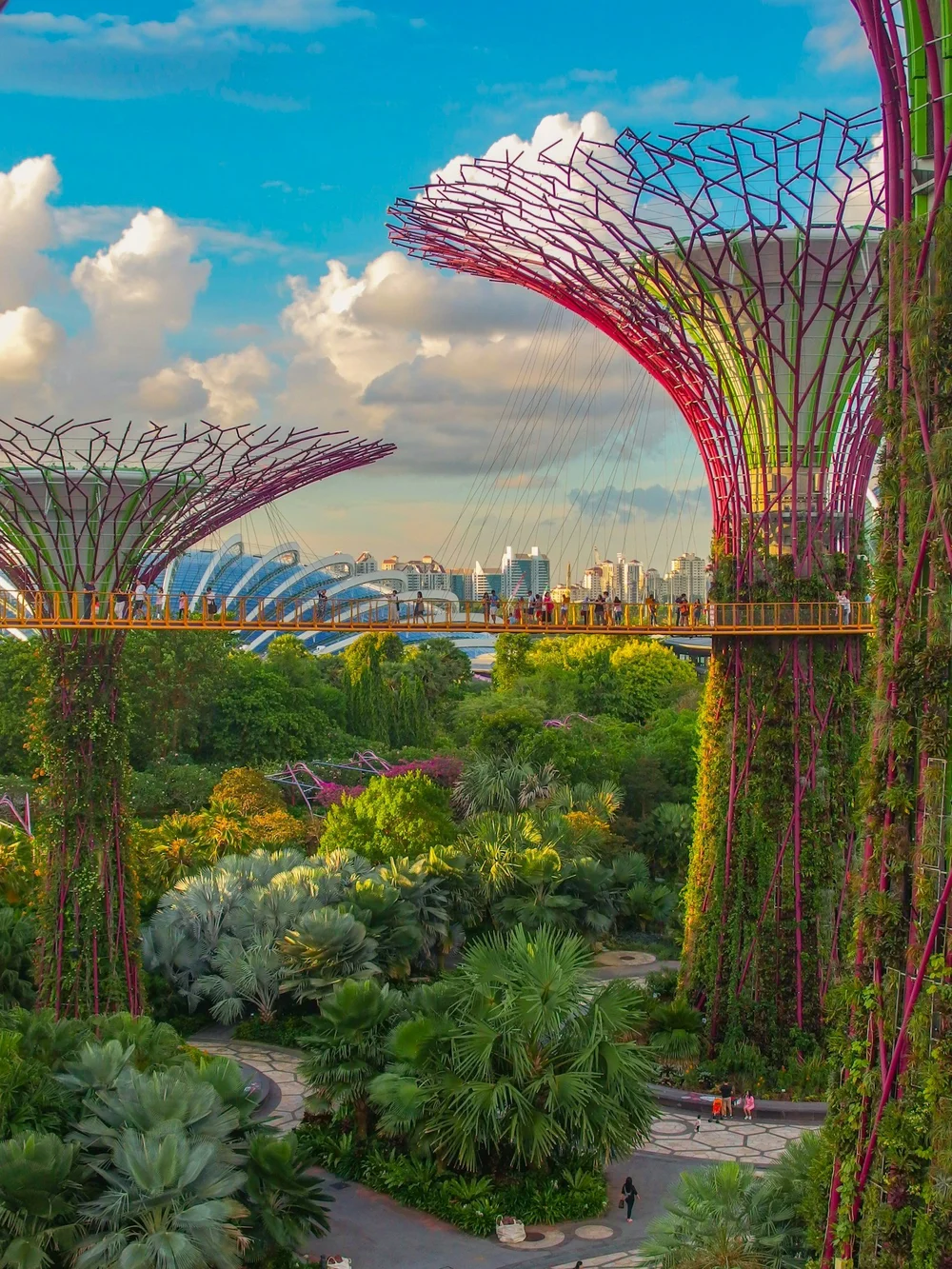
Singapore for First-Timers: Sample Itineraries and Tips
Two easy routes, plus the rules that surprise visitors.
By 1Una Travel and Tours · 7 min readSingapore is one of the easiest countries in the world to visit. Signs are in English, public transport is excellent, and it's very safe. It also has strict rules that catch some visitors off guard. Here are two sample routes and everything you need to know.
Sample route: 3 days
- Day 1: arrive, Merlion Park, Marina Bay Sands, Gardens by the Bay and the evening light shows.
- Day 2: Chinatown, Little India and Kampong Glam, then Orchard Road or Clarke Quay at night.
- Day 3: Sentosa in the morning, Jewel Changi before your flight.
Sample route: 4 days with Universal Studios
- Days 1 and 2: as above.
- Day 3: a full day at Universal Studios Singapore and Sentosa's beaches.
- Day 4: Bird Paradise or the Singapore Zoo, then Jewel Changi and your flight home. (Swap in the Night Safari on any evening.)
Getting around
- MRT and buses: fast, cheap and air-conditioned. Tap in and out with a contactless Visa or Mastercard, or a mobile wallet; you don't need to buy a separate card.
- Grab and taxis: easy to book and metered.
- Walking: many sights are close together, linked by covered walkways and underground malls.
Rules visitors should know
- No eating or drinking on the MRT or buses, and no durians on board. Fines apply.
- Chewing gum can't be sold in Singapore, and bringing it in for sale is not allowed.
- Vapes and e-cigarettes are illegal. Since September 2025 penalties are stricter, and foreigners caught with them can be fined and even deported. Don't bring one, even in transit.
- Smoking is only allowed in marked smoking areas.
- Littering and jaywalking can lead to fines.
Money and shopping
- Currency: Singapore dollar (S$ or SGD). Cards and e-wallets work almost everywhere.
- GST refund: tourists can claim back the 9% GST on purchases of at least S$100 (including GST) at participating shops. Claim at the eTRS kiosks at Changi before check-in or after immigration.
- Popular pasalubong: kaya jam, bak kwa (dried barbecue meat, but check what you can bring home), Merlion souvenirs and TWG tea.
Before you fly
- No visa needed: Filipinos can stay up to 30 days. Your passport should be valid for at least 6 months.
- SG Arrival Card: submit it free on the official ICA website or the MyICA app within 3 days before arrival. Avoid sites that charge a fee.
- Plugs: Singapore uses the British three-pin plug (type G) at 230V. Bring an adapter.
- eTravel: register on the Philippines' eTravel system before departure.
Rather have it all arranged?
We can arrange flights, a well-located hotel, a guided city tour and attraction tickets, as a group tour or a free-and-easy package.
Frequently asked questions
Do Filipinos need a visa for Singapore?
No. Filipinos can stay visa-free for up to 30 days, and must submit the free SG Arrival Card within 3 days before arrival.
Do I need an EZ-Link card?
Not necessarily. You can tap in and out of the MRT and buses with a contactless bank card or mobile wallet.
Can I bring a vape to Singapore?
No. Vapes and e-cigarettes are illegal, and penalties for foreigners include fines and possible deportation.
What plug does Singapore use?
The British three-pin plug (type G) at 230V. Bring an adapter.
More Singapore guides
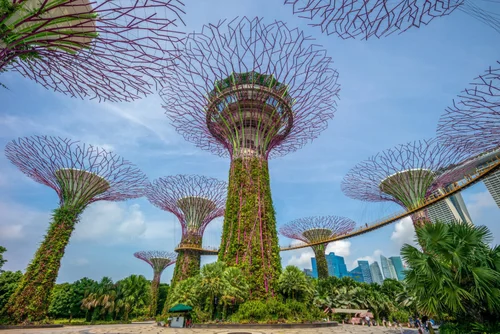 Best places to visit in Singapore
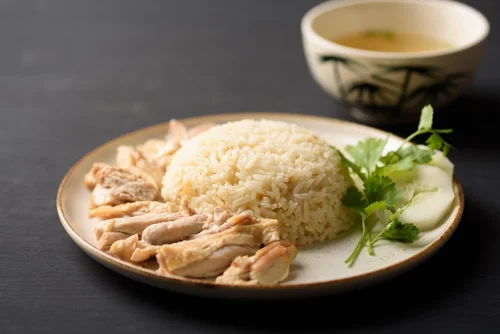 What to eat in Singapore
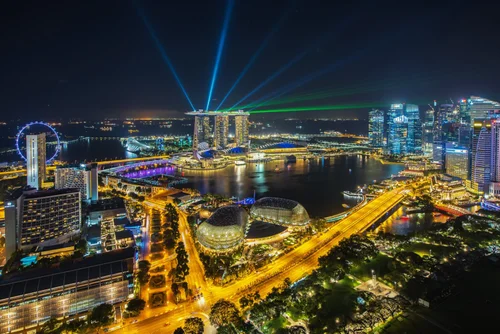 Singapore by season
Sources: Immigration and Checkpoints Authority (SG Arrival Card, visa-free stay); Land Transport Authority (contactless fares); Ministry of Health and HSA (e-cigarette rules from September 1, 2025); IRAS (tourist GST refund). Fees, schedules and festival dates can change, so check official sites before you travel.