

What to Eat in Korea: 15 Dishes to Try
From sizzling barbecue to market snacks you'll crave back home.
By 1Una Travel and Tours · 9 min readFilipinos already love samgyupsal places at home, but eating in Korea is a different level. Side dishes refill for free, market stalls fry pancakes in front of you, and fried chicken comes at midnight. Here's what to try, and how to eat it.
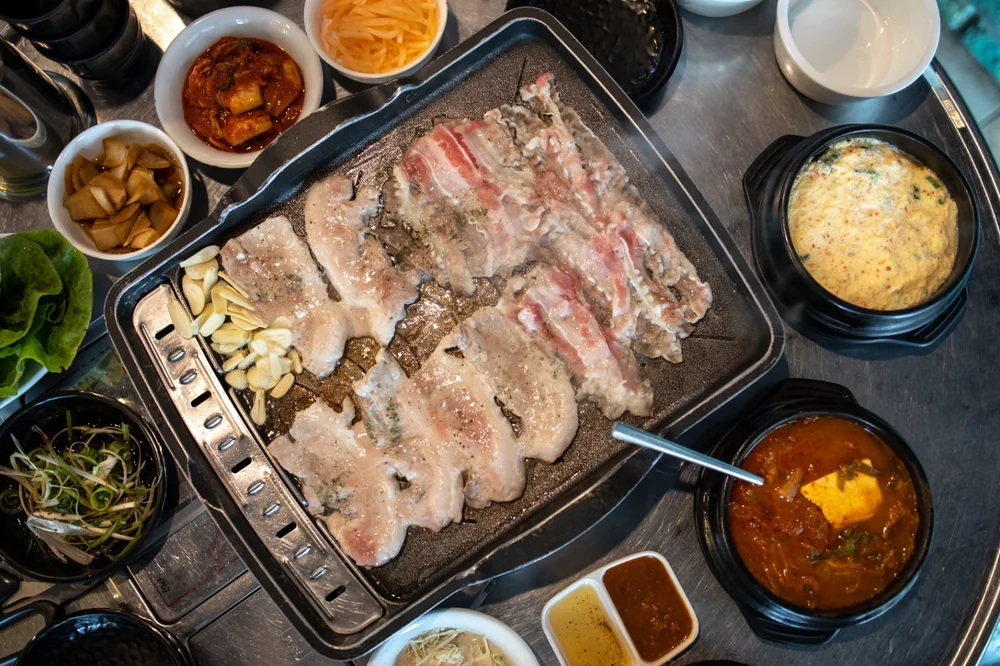
1. Korean barbecue
You grill meat at your table, then wrap it in lettuce with garlic, ssamjang paste and a slice of kimchi. Try samgyeopsal (pork belly), moksal (pork neck) and galbi (marinated short ribs). Many places need a minimum of two orders, so it's best shared.
Rice, noodles and stews
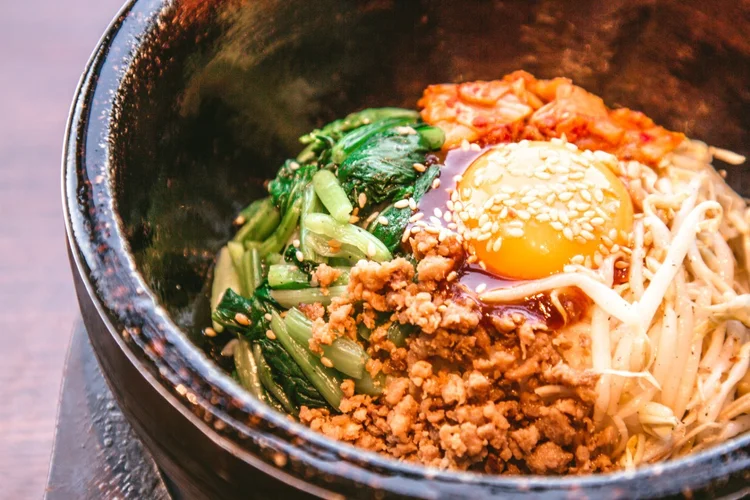
2. Bibimbap
Rice topped with vegetables, egg, meat and spicy gochujang, mixed together just before eating. Order dolsot bibimbap in a hot stone bowl for crispy rice at the bottom. Jeonju is its hometown.
- 3. Kimchi jjigae: a bubbling kimchi and pork stew, Korea's ultimate comfort food.
- 4. Samgyetang: a whole young chicken stuffed with rice, ginseng and garlic, eaten on the hottest days of summer.
- 5. Naengmyeon: chewy buckwheat noodles in icy broth. Ask the staff to cut them with scissors.
- 6. Jjajangmyeon: noodles in black bean sauce, a Korean-Chinese favorite that's cheap and filling.
Street and market food
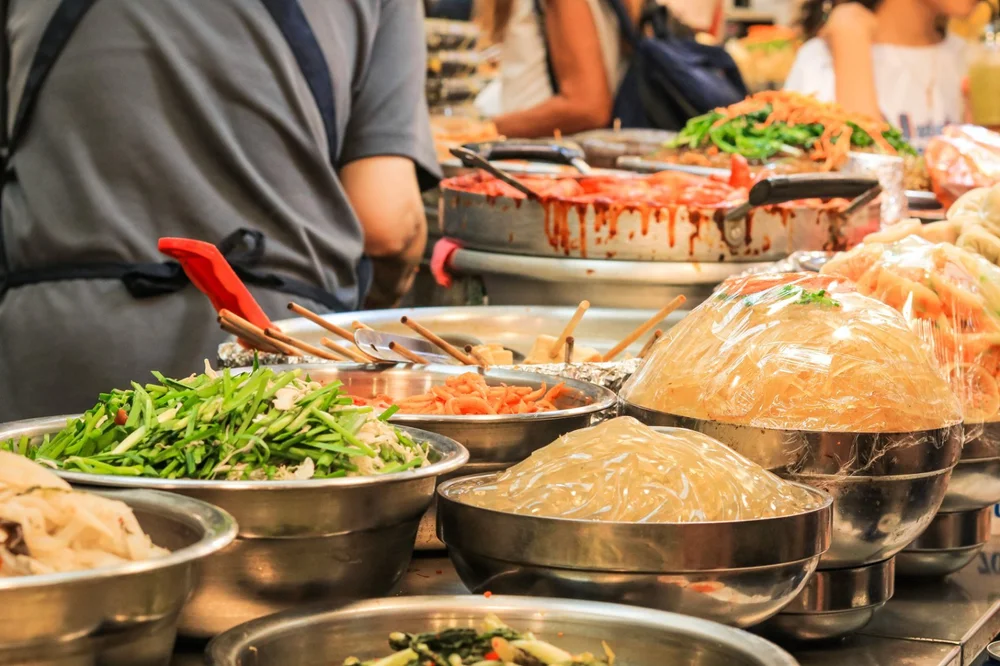
Gwangjang Market in Seoul is the place to start. Sit on a bench at a stall and order a few things to share.
- 7. Tteokbokki: chewy rice cakes in sweet-spicy red sauce.
- 8. Kimbap: rice and fillings rolled in seaweed. Try the small mayak (addictive) kimbap.
- 9. Bindaetteok: crispy mung bean pancakes fried on a flat griddle.
- 10. Hotteok: a pancake filled with brown sugar, nuts and cinnamon, a winter must.
- 11. Eomuk: fish cake skewers in hot broth. The broth is free to sip.
12. Fried chicken and late-night eats
Korean fried chicken is double-fried for an extra crunch, then served plain, sweet-spicy (yangnyeom) or soy-garlic. Pair it with beer and you have chimaek, the national night-out meal. Many places deliver to the Han River parks.
Don't skip the convenience stores (CU, GS25, 7-Eleven): instant ramyeon cooked at the store's machine, triangle kimbap and banana milk are part of the experience.
Desserts and cafes
- 13. Bingsu: fluffy shaved milk ice topped with red beans, mango or strawberries.
- 14. Bungeoppang: fish-shaped waffles filled with red bean or custard, sold from street carts in cold months.
- Cafes: Korea's cafe culture is famous. Seongsu-dong and Ikseon-dong in Seoul are full of beautiful themed cafes.
15. Regional specialties
- Busan: dwaeji gukbap (pork rice soup) and raw fish at Jagalchi Market.
- Jeju: heuk dwaeji (black pork) barbecue, abalone porridge and Hallabong tangerines.
- Jeonju: the original bibimbap.
- Chuncheon (near Nami Island): dakgalbi, spicy stir-fried chicken cooked at your table.
How to eat like a local
- Use the bell. Many restaurants have a call button on the table.
- Don't stick chopsticks upright in rice, and wait for elders to start eating if you're with Korean friends.
- No tipping. It isn't expected.
- Solo diners: some barbecue places require two portions minimum. Look for "1인분" (one serving) shops if you're alone.
- Muslim travelers: Itaewon in Seoul has a mosque and many halal restaurants. Pork is common elsewhere, so ask before ordering.
- Spice levels: Korean food can be spicy. Ask for "an maepge" (not spicy) if you're unsure.
Hungry for Korea?
Our Korea tours leave time for food stops like Myeongdong and Gwangjang Market. Planning your own trip? Tell us what you love to eat and we'll build it in.
Frequently asked questions
How much does food cost in Korea per day?
Budget around KRW 40,000 to 60,000 per person per day for street food, a casual lunch and a barbecue dinner shared with friends.
Is Korean food very spicy?
Some dishes are, like tteokbokki and kimchi jjigae, but plenty are mild: bibimbap without extra sauce, galbi, samgyetang and naengmyeon.
Where can I find halal food in Korea?
Itaewon in Seoul has the most halal restaurants, near the Seoul Central Mosque. Busan and Jeju have a few certified places too.
What should I try at Gwangjang Market?
Bindaetteok (mung bean pancake), mayak kimbap and tteokbokki are the classic trio.
More Korea guides
 Best places to visit in Korea
 Korea by season
 First-timer itinerary and tips
Sources: Korea Tourism Organization food guides; typical restaurant prices as of 2026. Fees, schedules and festival dates can change, so check official sites before you travel.