


Korea for First-Timers: Sample Itineraries and Tips
Two easy routes, plus the practical things that confuse first-time visitors.
By 1Una Travel and Tours · 9 min readKorea is safe, clean and easy to get around, but a few things work differently from what you're used to, starting with maps. This guide gives you two sample routes, then the practical tips that make a first trip smoother.
Sample route: 5 days in Seoul and Nami Island
- Day 1, arrival: land at Incheon, take the airport railroad or bus to Seoul. Evening in Myeongdong for street food.
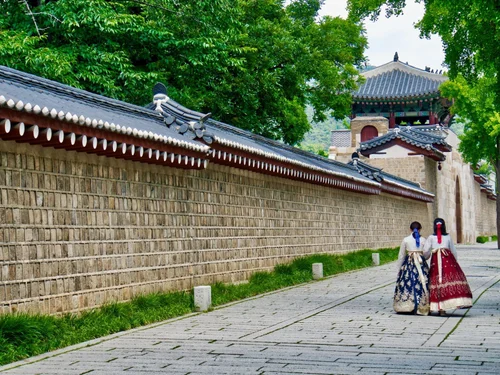
- Day 2, royal Seoul: Gyeongbokgung in hanbok, Bukchon Hanok Village, Insadong tea house, sunset at N Seoul Tower.
- Day 3, Nami Island: day trip to Nami, plus the Garden of Morning Calm or Petite France.
- Day 4, modern Seoul: Gangnam and COEX Starfield Library, Lotte World Tower, evening in Hongdae.
- Day 5, departure: Gwangjang Market for breakfast, last skincare shopping, airport.
Sample route: 7 days in Seoul and Busan
- Days 1 to 4: as above in Seoul, with Nami Island.
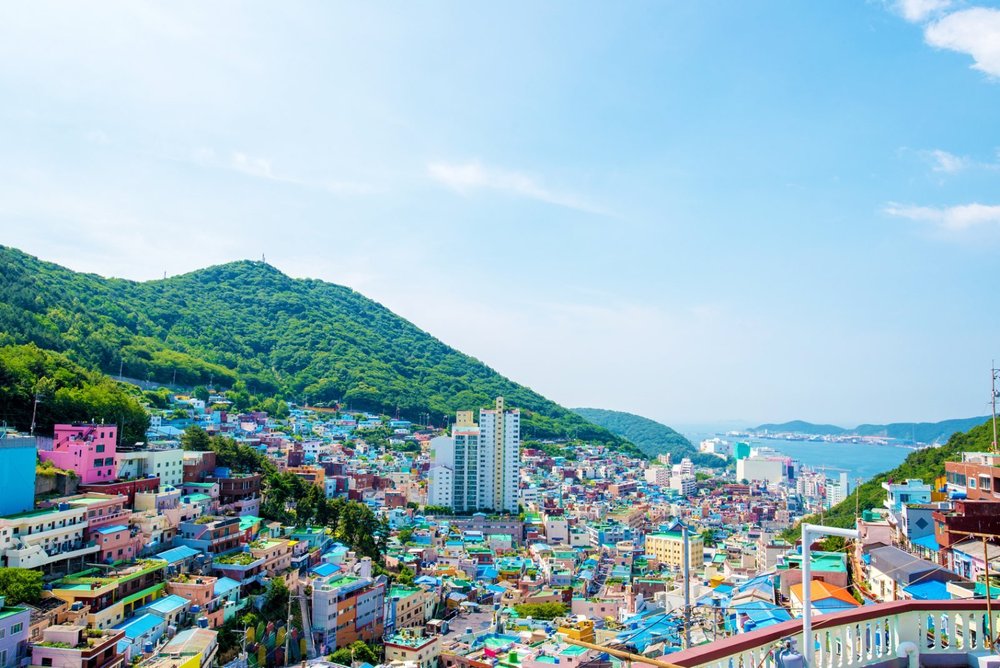
- Day 5, KTX to Busan: about 2.5 hours. Afternoon at Gamcheon Culture Village, evening at Gwangalli Beach with the lit-up bridge.
- Day 6, seaside Busan: Haedong Yonggungsa temple, Haeundae Beach and Blueline Park, dinner at Jagalchi Fish Market.
- Day 7, departure: fly home from Gimhae Airport in Busan, or KTX back to Seoul.
Getting around
- T-money card: a rechargeable card for subways, buses and taxis, also accepted at convenience stores. Buy and top it up at convenience stores or station machines (top-ups are usually cash).
- Subway: clean, cheap, and signs are in English. Transfers between subway and bus are discounted with T-money.
- KTX bullet train: Seoul to Busan in about 2.5 hours. Book seats ahead on weekends and holidays.
- Taxis: affordable for short trips. Have your destination written in Korean.
Apps that work in Korea
Google Maps has limited directions in Korea. Download these before you fly:
- Naver Map or KakaoMap for directions, subway routes and walking times (both have English menus).
- Kakao T for calling taxis.
- Papago for translation, including photo translation of menus and signs.
Money and tax refunds
- Cards are accepted almost everywhere, even at small shops. Keep some cash (won) for markets, street food and T-money top-ups.
- Tax refunds: look for "Tax Free" signs. Many stores, including big beauty and department stores, give an instant refund at the counter when you show your passport. Otherwise, claim at the airport kiosks before departure. Rules and minimums vary by store, so ask at checkout.
- Popular pasalubong: skincare and masks, Korean snacks (honey butter chips, Choco Pie), ginseng products and Jeju tangerine chocolates.
Etiquette that matters
- Respect elders: give up priority seats on trains (the colored seats at the ends of each car).
- Keep it quiet on subways and in residential areas like Bukchon.
- Two hands when giving or receiving something from an older person, like cash or a card.
- Don't write names in red ink, which is linked to the dead.
- Sort your trash. Many places separate food waste, recyclables and general trash.
- No tipping needed.
What to pack
- Plug adapter: Korea uses 220V with round two-pin plugs (types C and F). Flat-pin Philippine plugs need an adapter.
- Comfortable shoes: Seoul is hilly and you'll walk a lot.
- Season-appropriate layers: winter is much colder than most Filipinos expect.
Before you fly
- Visa: Filipinos need a Korean tourist visa for the mainland. See our Korea visa guide for the current requirements.
- Budget: see our Korea trip cost guide.
- e-Arrival card: fill in Korea's arrival card online before you land to save time at immigration.
- Travel insurance: recommended for medical care and delays.
Rather have it all arranged?
From the visa documents to hotels and transfers, we can handle the details, whether you join a group tour or want a private trip on your own dates.
Frequently asked questions
Does Google Maps work in Korea?
Only partly. Use Naver Map or KakaoMap for accurate directions and public transport routes.
What is a T-money card?
A rechargeable transport card for subways, buses and many taxis. You can also pay at convenience stores with it.
How do tax refunds work in Korea?
Many stores refund the tax instantly at checkout when you show your passport. Otherwise, use the refund kiosks at the airport before you leave.
What plug does Korea use?
220V with round two-pin plugs (types C and F). Bring an adapter for flat-pin plugs.
More Korea guides
 Best places to visit in Korea
 What to eat in Korea
 Korea by season
Sources: Korea Tourism Organization; Korail (KTX); Korea Customs Service (tax refund); Korean Ministry of Justice (e-Arrival card). Fees, schedules and festival dates can change, so check official sites before you travel.