

Europe by Season: Tulips, Summer, Autumn and Christmas
How to time your trip, and what each season looks like.
By 1Una Travel and Tours · 7 min readEurope looks like a different continent in each season: flower fields in spring, long sunny evenings in summer, golden vineyards in autumn and Christmas markets in winter. Here's what to expect, and how to pick the season that fits your trip.
Europe at a glance
| Season | Months | Best for | Keep in mind |
|---|---|---|---|
| Spring | March to May | Tulips, blossoms, mild weather | Can still be chilly and rainy |
| Summer | June to August | Long days, beaches, Greek islands | Peak crowds and prices; heat waves in the south |
| Autumn | September to November | Comfortable weather, wine harvest, fall colors | Shorter days by November |
| Winter | December to February | Christmas markets, snow in the Alps | Cold, short days; some mountain passes close |
Spring: tulips and blossoms (March to May)
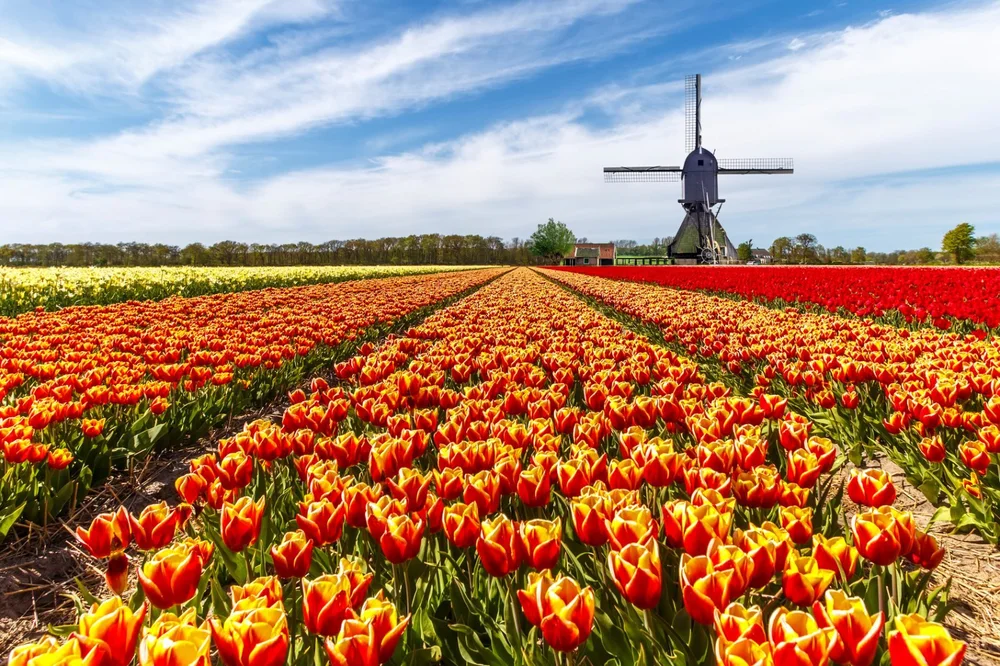
Spring is one of the most beautiful and comfortable times to visit. The Netherlands is the star: Keukenhof, the famous flower garden, is open from March 18 to May 9, 2027, with millions of tulips, hyacinths and daffodils, and the surrounding bulb fields peak around mid to late April. Paris and Rome are pleasant for walking, and Easter brings processions in Spain and Italy.
Summer: long days and crowds (June to August)
Days are long (sunset can be after 9 PM), the Greek islands and Mediterranean beaches are at their best, and the Swiss Alps are green with hiking trails open. It's also peak season, with the biggest crowds and highest prices. Southern Europe can get very hot, sometimes above 35°C. Book attractions like the Vatican, Louvre and Eiffel Tower ahead.
Autumn: harvest and colors (September to November)
September and October are excellent: warm days, thinner crowds and grape harvest season in France and Italy. Forests and vineyards turn gold, and the Alps are crisp and clear. By November it's cooler and darker earlier, but prices drop.
Winter: Christmas markets and snow (December to February)
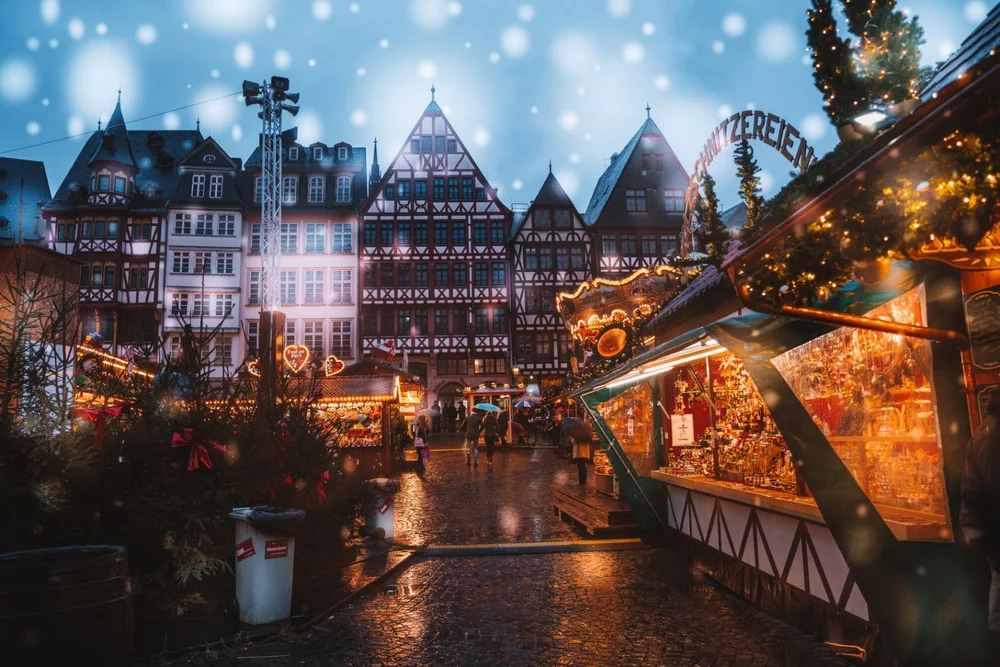
Christmas markets fill town squares from late November until around Christmas (some stay open into early January) in Germany, Austria, France (Strasbourg), Switzerland, Prague and Budapest. Expect wooden stalls, lights, mulled wine and roasted chestnuts. In the Swiss and Austrian Alps, it's ski season with real snow. Cities are cold (often around 0 to 8°C) and days are short, so plan sightseeing in daylight.
Good to know: many shops and attractions close on December 25 and January 1.
Matching Europe to Philippine holidays
| Philippine break | What Europe looks like |
|---|---|
| Holy Week (2027: March 21 to 28) | Early spring. Keukenhof open, Easter processions in Spain and Italy. Book early. |
| Summer break (April to May) | Peak tulip season and mild weather, before summer crowds. |
| Christmas and New Year | Christmas markets and snow in the Alps. Cold, festive and popular. |
Choosing your season?
Europe trips are usually planned months ahead because of the Schengen visa. Tell us when you can travel and we'll suggest the best season and route.
Frequently asked questions
When is the best time to visit Europe?
April to early June and September to October offer mild weather and fewer crowds than summer.
When is Keukenhof open in 2027?
From March 18 to May 9, 2027. Tulips usually peak in mid to late April.
When are the Christmas markets in Europe?
Most run from late November until around Christmas, especially in Germany, Austria, France and Central Europe. Some stay open into early January.
Will I see snow in Europe?
Yes, in the Alps from December to March, and on high peaks like Mt. Titlis and Jungfraujoch all year.
More Europe guides
 Best places to visit in Europe
 What to eat in Europe
 First-timer routes and tips
Sources: Keukenhof (2027 season dates); European national tourism boards; Philippine Holy Week calendar 2027. Fees, schedules and festival dates can change, so check official sites before you travel.