


Europe for First-Timers: Sample Routes and Tips
Two classic routes, plus the practical things to know before you go.
By 1Una Travel and Tours · 9 min readA first Europe trip is a big step: a long flight, a visa application and many countries to choose from. The good news is that once you're there, Europe is very easy to travel. Here are two classic routes and the practical tips that make a first trip smooth.
Sample route: 10 days in Paris, Switzerland and Italy
- Days 1 to 3, Paris: Eiffel Tower, Seine cruise, Louvre, Montmartre, Versailles.
- Days 4 and 5, Switzerland: train to Lucerne, Chapel Bridge, Mt. Titlis or Pilatus.
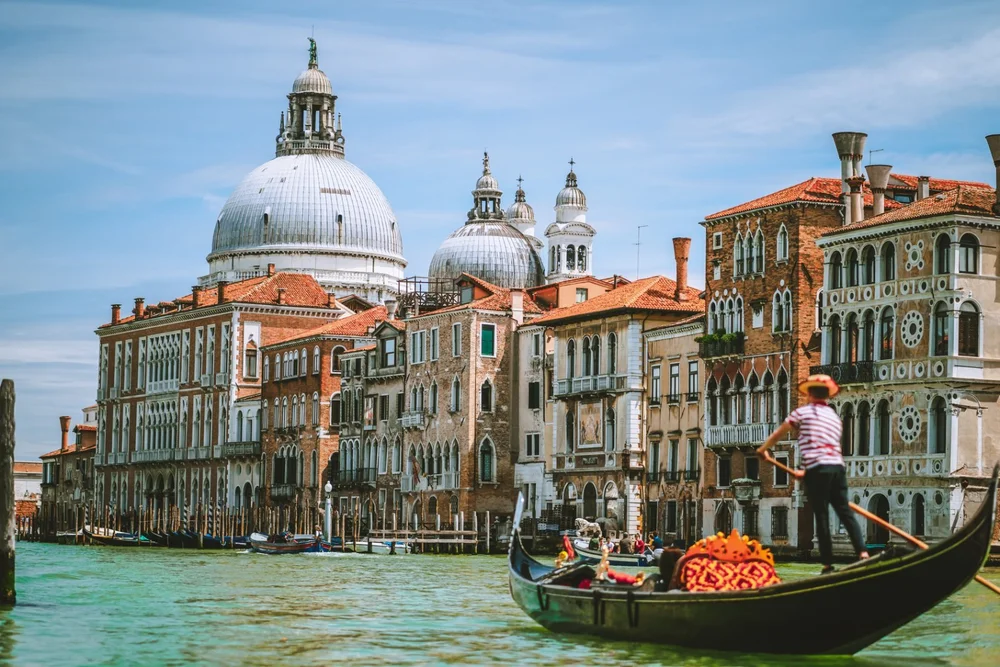
- Day 6, Venice: St. Mark's Square, gondola, Murano.
- Day 7, Florence: the Duomo, David, Ponte Vecchio, optional Pisa stop.
- Days 8 and 9, Rome: Colosseum, Trevi Fountain, Vatican Museums and St. Peter's.
- Day 10, departure: fly home from Rome.
Sample route: 14 days, the Grand Tour
- Days 1 to 3: London or Amsterdam (London needs a separate UK visa).
- Days 4 to 6: Brussels or Bruges, then Paris.
- Days 7 and 8: Switzerland (Lucerne, Interlaken).
- Days 9 to 13: Venice, Florence, Rome.
- Day 14: fly home.
Schengen visa basics
- One visa, 29 countries: the Schengen visa lets you stay up to 90 days in any 180-day period across the Schengen area. Apply at the embassy of your main destination (where you'll spend the most nights), or your first entry country if stays are equal.
- Fee: €90 for adults.
- When to apply: up to 6 months before travel, and at least several weeks ahead. Appointments fill up quickly before summer and Christmas.
- The UK, Ireland and some Balkan countries are not in Schengen and need separate visas.
- New border system: since April 10, 2026, the EU's Entry/Exit System (EES) records your fingerprints and photo at the border instead of stamping your passport. Allow extra time on your first entry.
Getting around
- Trains: fast, comfortable and central, like Paris to Lucerne or Florence to Rome. Book high-speed trains ahead for better prices.
- Guided coach tours: the easiest way to cover many countries without worrying about connections and luggage.
- City transport: metros, trams and buses; many cities accept contactless bank cards.
- Budget flights: cheap for long hops, but watch baggage fees.
Money
- Euro (EUR) is used in most countries; Switzerland uses the Swiss franc (CHF), the UK the pound, and Czechia and Hungary their own currencies.
- Cards are accepted almost everywhere, including small cafes. Keep some cash for markets, toilets and tips.
- City tourist taxes: many cities add a small per-night tax to hotel bills.
- VAT refunds: non-EU visitors can claim back sales tax on big purchases. Ask for a tax-free form in the shop and validate it at the airport.
Safety and etiquette
- Pickpockets target tourist hotspots and metros in Paris, Rome and Barcelona. Use a cross-body bag, keep your phone out of back pockets, and be wary of petition signers and "friendship bracelet" sellers.
- Churches: cover shoulders and knees, especially at St. Peter's and other major basilicas.
- Greetings: a simple "bonjour", "buongiorno" or "hello" when entering shops goes a long way.
- Escalators: stand on the right in most countries.
What to pack
- Plug adapter: most of Europe uses round two-pin plugs (types C, E and F) at 230V; Italy also uses three-pin type L, Switzerland type J and the UK type G. A universal adapter is best.
- Comfortable walking shoes: cobblestones are everywhere.
- Layers and a light rain jacket: weather changes quickly, even in summer.
- A warm coat, gloves and thermal wear from November to March.
Planning your budget? See our Europe tour cost guide from Manila.
Rather have it all arranged?
From the Schengen visa to hotels, trains and a tour director, we can arrange your Europe trip as a guided tour or a private itinerary on your own dates.
Frequently asked questions
How much is the Schengen visa fee?
€90 for adults (€45 for children 6 to 11, free under 6).
Which embassy should I apply to for a Schengen visa?
The country where you'll spend the most nights. If nights are equal, apply to your first point of entry.
What is the EES?
The EU's Entry/Exit System, fully running since April 10, 2026. It records your fingerprints and photo at the border instead of passport stamps.
How long should my first Europe trip be?
Ten to fourteen days lets you see three or four countries at a comfortable pace.
More Europe guides
 Best places to visit in Europe
 What to eat in Europe
 Europe by season
Sources: European Commission (Schengen visa code and €90 fee; Entry/Exit System fully operational since April 10, 2026); national railway operators. Fees, schedules and festival dates can change, so check official sites before you travel.