


Best Places to Visit in Vietnam: North to South
Bays, mountains, old towns and big cities, just a short flight from Manila.
By 1Una Travel and Tours · 10 min readVietnam is visa-free for Filipinos, a two-to-three-hour flight from Manila, and one of the best-value trips in Asia. It's a long, narrow country, so the north, center and south feel completely different. Here's what each region offers, so you can pick the Vietnam that suits you.
How Vietnam fits together
Vietnam stretches about 1,650 km from north to south. Most trips focus on one region, since each has direct flights from Manila:
- The north (Hanoi): history, limestone landscapes, mountains and cooler weather.
- The center (Da Nang): beaches, Hoi An's old town and the Golden Bridge.
- The south (Ho Chi Minh City): a fast-moving city, war history and the Mekong Delta.
The north: Hanoi, Ha Long Bay, Ninh Binh and Sapa
Hanoi
Vietnam's 1,000-year-old capital is a city of lakes, French colonial buildings and a buzzing Old Quarter where each street once specialized in one trade. Walk around Hoan Kiem Lake, see the Temple of Literature (Vietnam's first university), watch a water puppet show, and sit on a tiny plastic stool with an egg coffee.


Ha Long Bay
Nearly 2,000 limestone islands rise out of emerald water in this UNESCO World Heritage Site. Cruise between them, kayak into hidden lagoons and explore caves like Sung Sot. An overnight cruise lets you watch sunrise on the bay.
Don't miss: About 2.5 to 3 hours from Hanoi by the expressway, so a day trip is possible, but an overnight stay is more relaxing.

Ninh Binh
Often called 'Ha Long Bay on land': rice fields and rivers wind between karst mountains. Women row you through caves at Trang An or Tam Coc, often with their feet. Climb the 500 steps of Hang Mua for the view.

Sapa and the northern mountains
Rice terraces carved into mountains, villages of ethnic minority groups like the Hmong and Dao, and Fansipan, the 'Roof of Indochina', reachable by cable car. The terraces are greenest in summer and golden in September.
Don't miss: It's much cooler than the lowlands. Bring a jacket, especially from November to February.
Central Vietnam: Da Nang, Hoi An and Hue
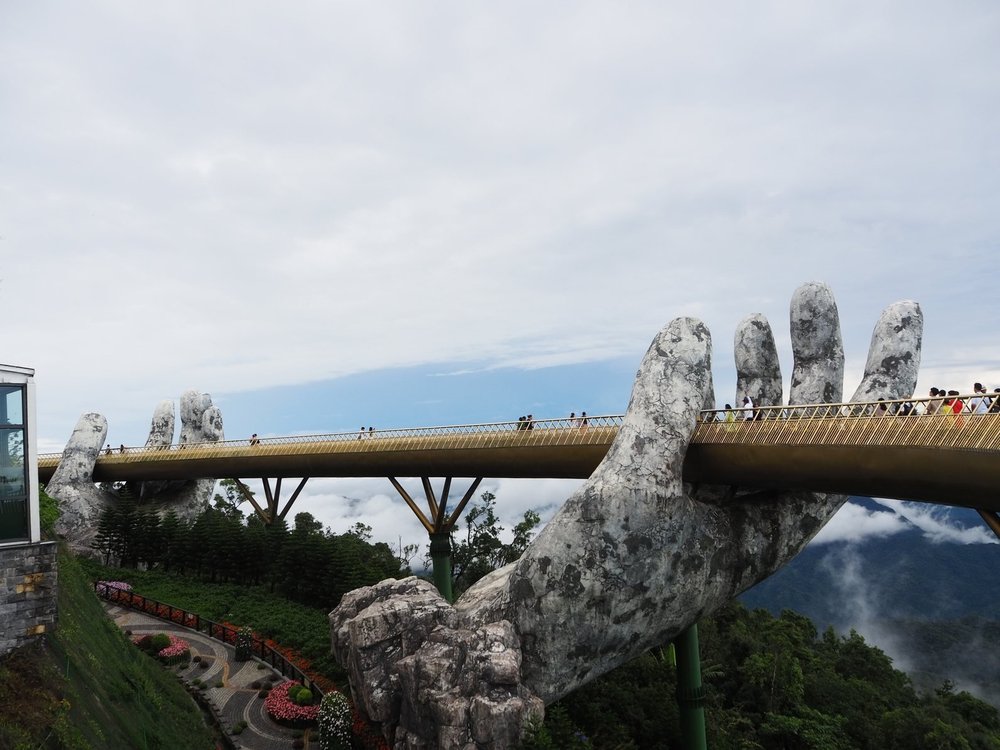
Da Nang is a modern beach city with a long sandy coastline (My Khe Beach) and the Dragon Bridge, which breathes fire and water on weekend nights. Above it, Ba Na Hills is a mountaintop resort reached by one of the world's longest cable cars, home of the Golden Bridge, a French-style village and gardens. Arrive early: the bridge gets crowded by mid-morning. The Marble Mountains hide caves and pagodas inside limestone hills.
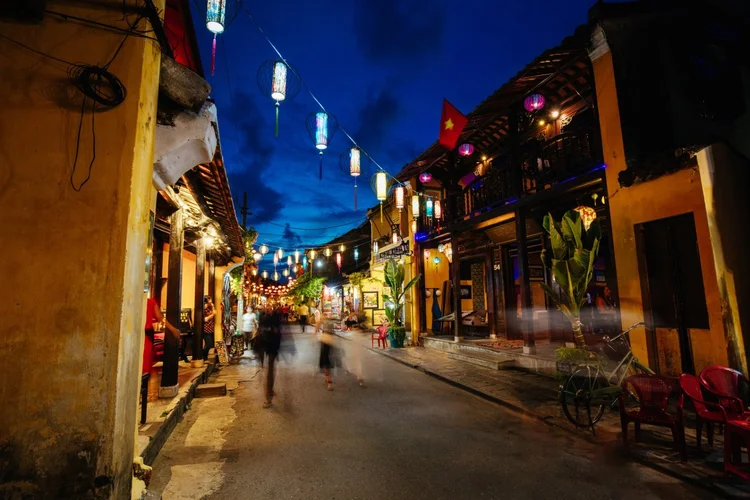
Hoi An Ancient Town
About 45 minutes from Da Nang, Hoi An is a beautifully preserved trading port of yellow shophouses, the Japanese Covered Bridge and hundreds of silk lanterns. At night, release a paper lantern on the Thu Bon River. Tailors can make clothes for you in a day or two.
Don't miss: An Bang beach nearby, and a basket-boat ride in the coconut forest of Cam Thanh.
Hue
Vietnam's last imperial capital sits on the Perfume River. Explore the walled Imperial City, the royal tombs in the countryside and the Thien Mu Pagoda. The Hai Van Pass drive between Hue and Da Nang is one of Asia's great coastal roads.
The south: Ho Chi Minh City and the Mekong Delta
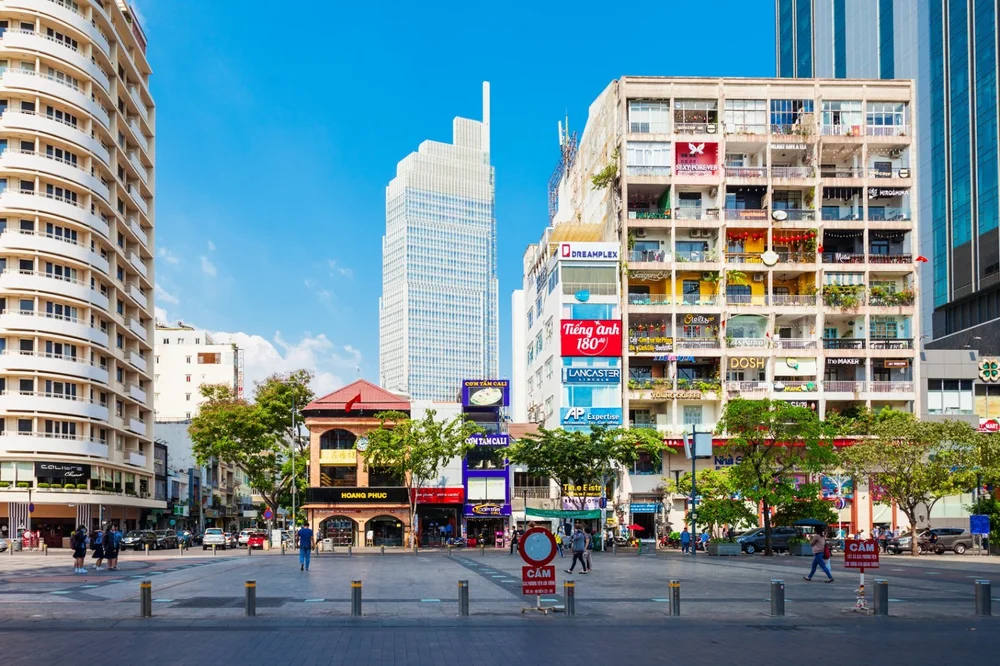
Ho Chi Minh City is Vietnam's biggest and busiest city. See the Notre-Dame Cathedral (its long restoration is due to finish around 2027) and the Central Post Office next door, the War Remnants Museum, Ben Thanh Market, and rooftop bars at night. Day trips go to the Cu Chi Tunnels, used during the war, and the Mekong Delta, with floating markets, fruit orchards and coconut candy workshops.
Farther afield, Phu Quoc island has beaches and sunsets, and Da Lat is a cool highland town of flowers and pine forests.
Which area suits you?
| If you want... | Go to | Ideal time |
|---|---|---|
| Dramatic landscapes and culture | Hanoi, Ha Long Bay, Ninh Binh | 4 to 5 days |
| Mountains and trekking | Sapa (plus Hanoi) | 5 to 6 days |
| Beach, old town and photos | Da Nang, Ba Na Hills, Hoi An | 4 to 5 days |
| City life, history and food | Ho Chi Minh City and the Mekong | 3 to 4 days |
| Family trip | Da Nang and Hoi An | 4 to 5 days |
Want to see Vietnam for yourself?
Vietnam is easy to reach from Manila, but routes, cruise bookings and timing make a big difference. If you'd like a hand, here's how 1Una can help.
Frequently asked questions
Do Filipinos need a visa for Vietnam?
No. Filipinos can stay visa-free for up to 21 days. See our Vietnam entry guide for details.
Which is better for a first trip, Hanoi or Da Nang?
Hanoi if you want landscapes like Ha Long Bay and Ninh Binh; Da Nang if you want beaches, Hoi An and the Golden Bridge.
Is Ha Long Bay worth an overnight cruise?
Yes, if you can. A day trip works, but an overnight cruise lets you see sunset and sunrise without the rush.
How many days do I need for Vietnam?
Four to five days for one region. Seven to ten days to combine two regions with an internal flight.
More Vietnam guides
 What to eat in Vietnam
 Vietnam by season
 First-timer itinerary and tips
Sources: Vietnam National Authority of Tourism; UNESCO World Heritage Centre (Ha Long Bay, Hoi An, Trang An). Fees, schedules and festival dates can change, so check official sites before you travel.