

Hong Kong for First-Timers: Sample Itineraries and Tips
Two easy routes, plus the practical tips that save time.
By 1Una Travel and Tours · 7 min readHong Kong is one of the easiest overseas trips for Filipinos: visa-free, a short flight, English signs and fast public transport. Here are two sample routes, plus the small things that make a first visit smoother.
Sample route: 4 days with Disneyland
- Day 1, arrival and Kowloon: Airport Express to the city, Tsim Sha Tsui promenade at sunset, Temple Street Night Market.
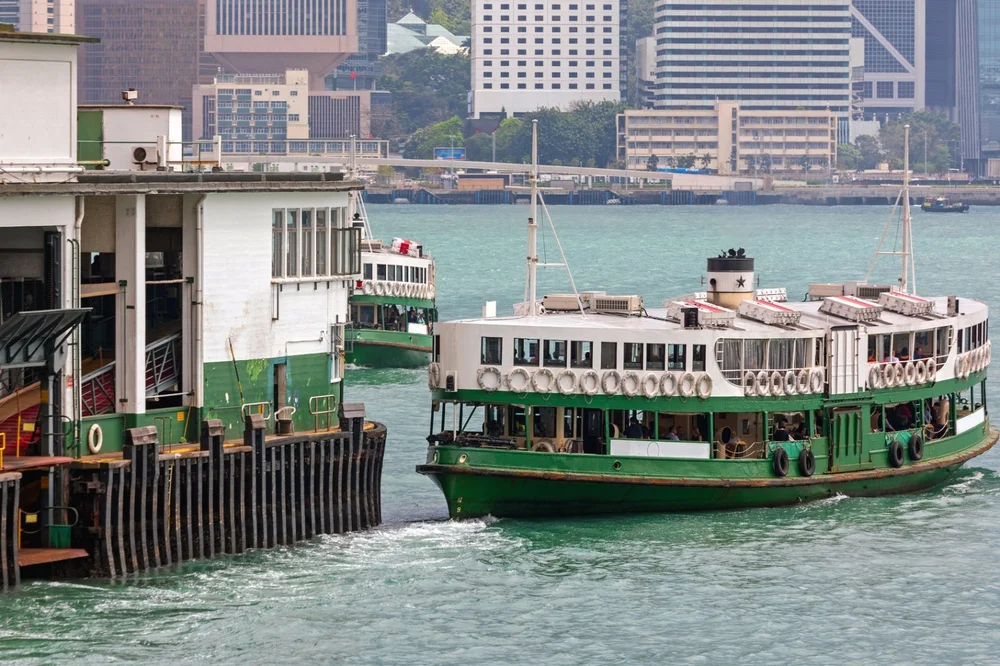
- Day 2, Hong Kong Island: Star Ferry to Central, Mid-Levels escalator, Man Mo Temple, Peak Tram to Victoria Peak for sunset.
- Day 3, Disneyland: a full day, staying for the castle fireworks.
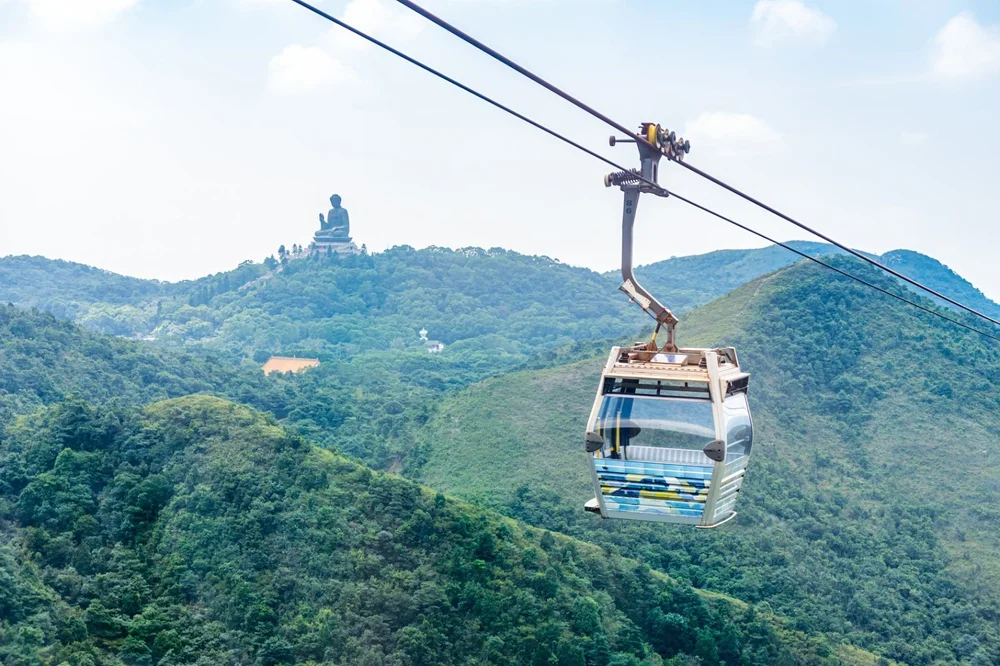
- Day 4, Lantau and departure: Ngong Ping 360, the Big Buddha and Tai O, then the airport (it's on the same island).
Sample route: 5 days with Macau
- Days 1 to 3: as above, swapping Disneyland for Mong Kok, Wong Tai Sin and a dim sum morning if you prefer.
- Day 4, Macau: ferry or bridge bus. Senado Square, Ruins of St. Paul's, egg tarts, then the Cotai resorts at night.
- Day 5, Lantau and departure: Big Buddha and Tai O, then fly home.
Getting around
- Octopus card: tap for the MTR, buses, trams, ferries and convenience stores. iPhone users can add an Octopus to Apple Wallet through the "Octopus for Tourists" app. Many MTR gates also accept contactless bank cards.
- MTR: clean, fast and easy, with English signs. The Airport Express reaches Central in about 25 minutes.
- Star Ferry and trams: cheap, scenic and part of the experience.
- Taxis: red (city), green (New Territories) and blue (Lantau). Carry your hotel address in Chinese.
Money and shopping
- Currency: Hong Kong dollar (HKD). Cards are widely accepted, but keep some cash for small eateries and markets.
- No sales tax: prices are what you pay, which makes electronics, cosmetics and branded goods popular buys.
- Popular pasalubong: egg rolls, butter cookies, Koi Kei almond cookies (Macau), dried seafood, Chinese herbal oils and tea.
Etiquette and good-to-knows
- Escalators: stand on the right, walk on the left.
- No eating or drinking on the MTR or in stations; fines apply.
- Plugs: Hong Kong uses the British three-pin plug (type G) at 220V. Bring an adapter.
- Language: Cantonese and English are both official. Most signs and menus in tourist areas have English.
- Restaurants: a 10% service charge is common; extra tipping isn't needed.
Before you fly
- No visa needed: Filipinos can stay up to 14 days in Hong Kong. Macau is visa-free too. Mainland China (including Shenzhen) needs a visa. See our Hong Kong entry guide.
- Budget: see our Hong Kong trip cost guide.
- Disneyland tickets: buy ahead online for peak dates, and check the park calendar for fireworks times.
- Weather: check the Hong Kong Observatory if you travel in typhoon season (June to September).
Rather have it all arranged?
Flights, a well-located hotel, Disneyland and Macau transfers: we can put it together as a group tour or a private trip on your own dates.
Frequently asked questions
Do Filipinos need a visa for Hong Kong?
No. Filipinos can stay visa-free for up to 14 days.
Do I need an Octopus card?
It's the easiest way to pay for transport and small purchases. iPhone users can use the Octopus for Tourists app, and many MTR gates accept contactless bank cards.
What plug does Hong Kong use?
The British-style three-pin plug (type G), 220V. Bring an adapter.
Can I visit Shenzhen from Hong Kong?
Yes, it's close, but Filipinos need a mainland China visa. Our tours that include Shenzhen arrange the required group visa.
More Hong Kong guides
 Best places to visit in Hong Kong
 What to eat in Hong Kong
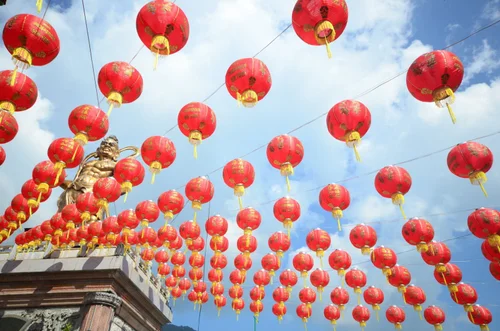 Hong Kong by season
Sources: Hong Kong Immigration Department; Hong Kong Tourism Board; MTR Corporation; Octopus Cards Limited; Macao Public Security Police Force (entry). Fees, schedules and festival dates can change, so check official sites before you travel.