

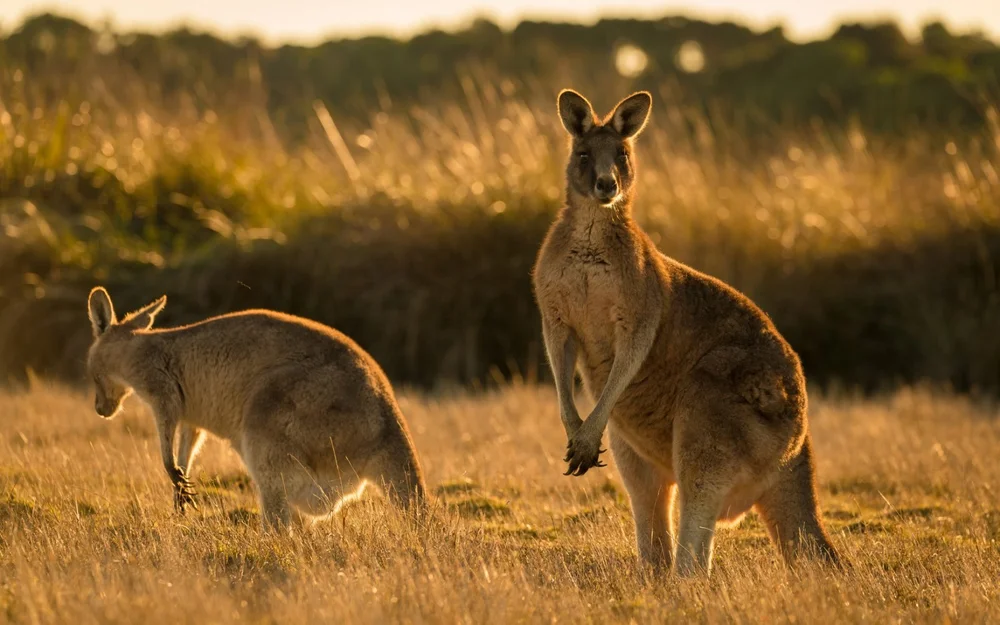
Australia for First-Timers: Sample Itinerary and Tips
A one-week plan, plus what to know before you land.
By 1Una Travel and Tours · 6 min readAustralia is safe, friendly and easy to get around, and many Filipinos have family there. The two things that catch first-timers out are the visa, which takes time, and the strict biosecurity checks at the airport. Here's a sample route and the essentials.
Sample route: 7 days in Sydney and around
- Day 1: arrive, check in, evening walk around Circular Quay and the Opera House.
- Day 2: Opera House tour, The Rocks, walk the Harbour Bridge, Darling Harbour at night.
- Day 3: Blue Mountains day trip: Three Sisters, Scenic World, and a wildlife park on the way.
- Day 4: beaches: Bondi to Coogee walk, then the ferry to Manly.
- Day 5: Royal Botanic Garden, Queen Victoria Building, shopping, or a harbour cruise.
- Day 6: optional day trip to Port Stephens for dolphins and sand dunes, or the Hunter Valley.
- Day 7: last pasalubong shopping and fly home.
Getting around
- Sydney: trains, buses, ferries and light rail all take an Opal card, or simply tap on and off with a contactless bank card.
- Melbourne: trams in the city center's Free Tram Zone cost nothing. Outside it, use a myki card. Contactless bank cards now work on Melbourne's trains and are being extended to trams and buses.
- Between cities: fly. Sydney to Melbourne is about 1.5 hours by air, but around 9 hours by car.
- Driving: on the left. Distances are long, and watch for wildlife on country roads at dusk.
Arrival and biosecurity
Australia protects its farms and wildlife with some of the strictest border rules in the world. On your Incoming Passenger Card, declare all food, plants, seeds and animal products. Declaring is fine; most snacks are allowed after inspection. Not declaring can mean on-the-spot fines or worse. Meat products, fresh fruit and many home-cooked foods are commonly confiscated.
Money and costs
- Currency: Australian dollar (AUD). Cards and tap-to-pay are accepted almost everywhere.
- Costs: Australia is expensive. Budget well for meals, transport and attractions.
- GST refund: the Tourist Refund Scheme lets visitors claim back GST on eligible purchases over AUD 300 from one store when leaving.
- Popular pasalubong: Tim Tams, macadamia nuts, Manuka or Australian honey, lanolin and skincare, and UGG-style boots.
Before you fly
- Visa: Filipinos need an Australian Visitor visa (subclass 600), applied for online through ImmiAccount before travel. The base fee for applications lodged outside Australia rose to AUD 250 on July 1, 2026, and fees change from time to time, so check the Department of Home Affairs website before applying. Processing can take several weeks, so apply early.
- Passport: valid for the length of your stay. Six months' validity is a safe rule.
- Plugs: type I (angled two or three pins) at 230V. Bring an adapter.
- Sun: the UV is very strong. Wear sunscreen, a hat and sunglasses even on cool days.
- eTravel: register on the Philippines' eTravel system before departure.
Rather have it all arranged?
Our Sydney tour, including the New Year's Eve fireworks departure, handles hotels, transfers and sightseeing. We can also guide you through the visitor visa.
Frequently asked questions
Do Filipinos need a visa for Australia?
Filipinos need an Australian Visitor visa (subclass 600), applied for online through ImmiAccount before travel. The base fee for applications lodged outside Australia rose to AUD 250 on July 1, 2026, and fees change from time to time, so check the Department of Home Affairs website before applying. Processing can take several weeks, so apply early.
What plug does Australia use?
Type I, with angled flat pins, at 230V. Philippine plugs need an adapter.
Is Sydney expensive?
Yes, compared to Manila. Food courts, supermarkets and a contactless card for public transport help keep costs down.
What should I declare when arriving in Australia?
All food, plant material and animal products. Declaring is not a problem; failing to declare can lead to fines.
More Australia guides
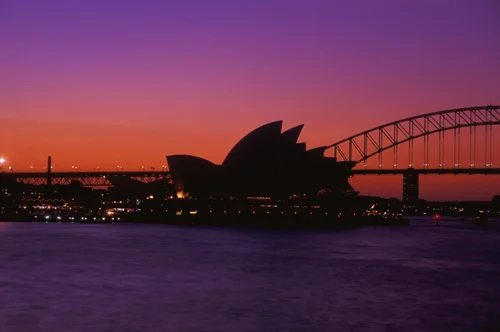 Best places to visit in Australia
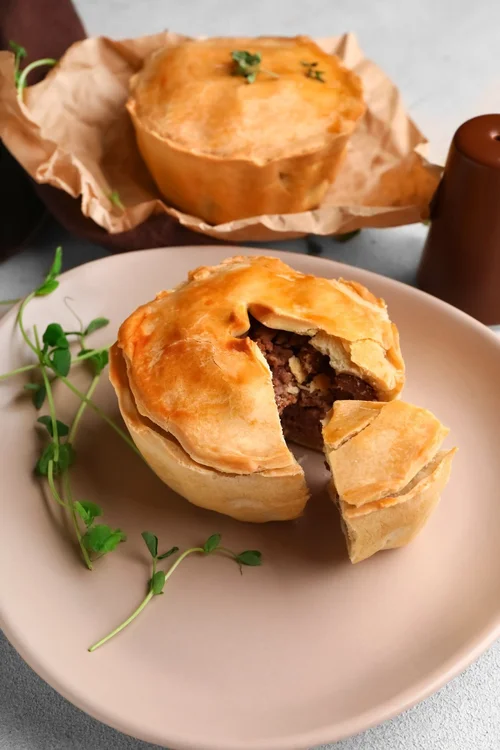 What to eat in Australia
 Australia by season
Sources: Australian Department of Home Affairs (Visitor visa subclass 600, fees from July 1, 2026); Australian Border Force (Tourist Refund Scheme); Department of Agriculture, Fisheries and Forestry; Transport for NSW (Opal); Public Transport Victoria. Fees, schedules and festival dates can change, so check official sites before you travel.